Handheld Sprayer or Electric Seat? Work Out Your Own Break-Even Point
By James Hargreaves · Updated June 2026 · 8 min read
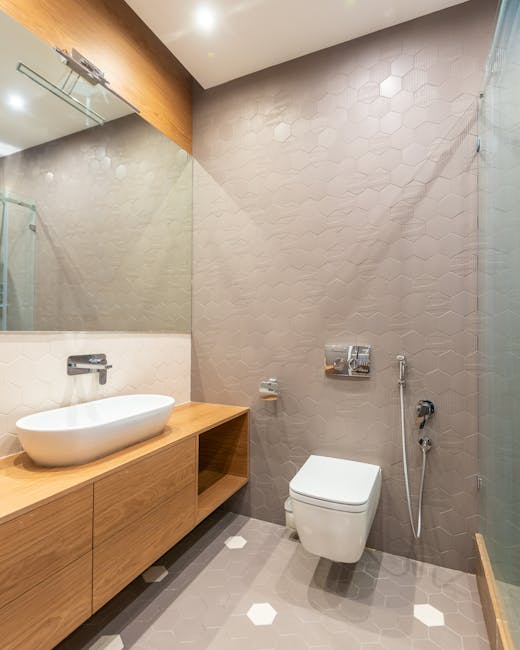
- A handheld sprayer costs under £50 total; an electric seat typically runs £150–£400 plus possible electrician fees
- The real decision isn't "which is better" — it's whether the comfort gap is worth the price gap for you specifically
- A simple three-line calculation using your own numbers settles it more reliably than a generic recommendation
Skip the Pros-and-Cons List — Do the Maths Instead
Most comparisons between handheld sprayers and electric seats end with a long list of features on each side, leaving you to weigh them up yourself. There's a more useful way to approach it: work out the actual price gap between the two options, then decide honestly whether the comfort difference is worth that specific number to you. This takes about two minutes with a calculator.
Step One: Find the Real Price Gap
A handheld sprayer typically costs £20–£50 fitted DIY, with no electrician involved. An electric seat starts around £150 and commonly runs £250–£400 with features like a heated seat, warm water wash, and air dryer — plus, if your bathroom has no socket within reach, £100–£200 in electrician fees to add one safely outside the bathroom's restricted electrical zones.
Take your two real quotes (or realistic estimates) and subtract: that's your price gap. For a typical comparison — say a £35 handheld sprayer against a £300 electric seat with no electrician needed — the gap is around £265. If an electrician is required, it could be £400–£500 or more.
Get an actual quote for the electrical work before comparing, rather than assuming it'll be needed or not needed. A five-minute call to a local electrician removes the biggest source of guesswork in this whole calculation.
Step Two: Decide What That Gap Is Actually Buying
Both options clean with water and both substantially cut toilet paper use — the hygiene benefit is essentially the same either way. The price gap buys four specific things, and it's worth being honest about which of them you'd actually use:
- Warm water instead of cold mains water (typically 10–15°C). If you'd genuinely dread cold water daily, this matters; if you wouldn't think twice about it after the first week, it doesn't.
- A heated seat — a real comfort in an unheated UK bathroom on a winter morning, purely a nice-to-have in a warm one.
- Hands-free operation via remote or panel, instead of aiming a handheld nozzle yourself.
- An air dryer, reducing (not eliminating) the small amount of paper still used for drying either way.
If two or more of these genuinely matter to your daily routine, the gap is probably worth paying. If none of them do, you're paying for features you won't notice using.
Step Three: Factor In What Doesn't Show Up in the Price Tag
A few practical differences matter beyond the upfront number. A handheld sprayer fits any toilet shape and makes no permanent change — important if you rent, or if your toilet pan is an older or non-standard shape that an electric seat might not fit cleanly. An electric seat has more components that can eventually fail (heating element, control board, hinges), and UK repair options for these are more limited than for a simple mechanical sprayer, where a worn washer or hose is a same-day, cheap fix.
In hard water areas, a handheld sprayer is also simpler to descale — soak the nozzle in vinegar — whereas an electric seat's internal heating components require more careful maintenance to avoid limescale damage.
A Worked Example

Say you're choosing between a £30 handheld sprayer and a £280 electric seat, with an existing socket nearby so no electrician is needed. The gap is £250. You know you'd genuinely value warm water and a heated seat in your unheated bathroom, but you don't care about a remote control or air dryer. That's roughly two out of four genuine wants — a borderline case, where the honest answer is "worth it if £250 is comfortably within budget, skippable if it isn't."
Compare that to a renter with no socket nearby, facing a £400+ gap once electrician costs are added, who'd mainly just like the novelty of warm water. That's a much clearer case for the handheld sprayer — the gap is large and the genuine want is thin.
Both Options Still Save Money on Paper Either Way
It's worth being clear that the toilet paper savings — a typical UK family of four spending £500–£700 a year on paper — apply roughly equally to either option, since both substantially cut paper use. This saving isn't really part of the handheld-vs-electric decision; it's the case for switching to a bidet at all, and it applies whichever type you choose. Don't let "but I'll save on paper" tip the scale toward the more expensive option — you'll save on paper with the cheap one too.
Practical Notes Either Way You Choose
Whichever you pick, look for WRAS-approved products with proper backflow protection — bidet fittings are treated as a higher-risk category under UK water regulations, so this isn't optional regardless of price point. A handheld sprayer connects via a standard T-valve on the 1/2-inch BSP thread common to UK toilets, a DIY job in under 30 minutes. An electric seat needs the seat removed, the new unit mounted and connected to both water and power, with the socket positioned outside UK bathroom electrical safety zones — generally a job for a qualified electrician rather than a confident DIYer.
The Two-Minute Verdict
Work out your real price gap, count how many of the four comfort features you'd genuinely use, and weigh that honestly against your budget. There's no universally "correct" answer — a £30 handheld sprayer and a £350 electric seat both do the core job well. The right choice is simply the one where the price gap matches how much the extra comfort is actually worth to you.