Best Bidet Sprays for UK Homes: Legal, Practical & Top Picks
Updated August 2026 · 9 min read
- A quality handheld bidet sprayer can reduce toilet paper usage substantially, often paying for itself within months
- UK water regulations require WRAS-approved backflow prevention on all bidet spray fittings
- Brass or stainless steel models tend to outperform plastic in hard-water areas and last longer
Why UK Homes Are Switching to Handheld Bidet Sprays
The UK has been slower than many countries to embrace the bidet, with the dry-paper method remaining the default for most households. That's changing, and for good reason.
The cost of toilet paper has climbed steadily, and a family of four can spend a meaningful amount each year on something that's flushed straight away. A decent handheld sprayer typically costs between £30 and £60 and can cut that spend substantially over time — often recouping its cost within a matter of months, before factoring in the environmental angle.
Then there's the wet wipes problem. "Flushable" wipes are often anything but, and they're a well-documented contributor to blocked sewers across Britain. A handheld bidet sprayer removes the need for them entirely, typically using less water than a full bidet while giving a more thorough clean.
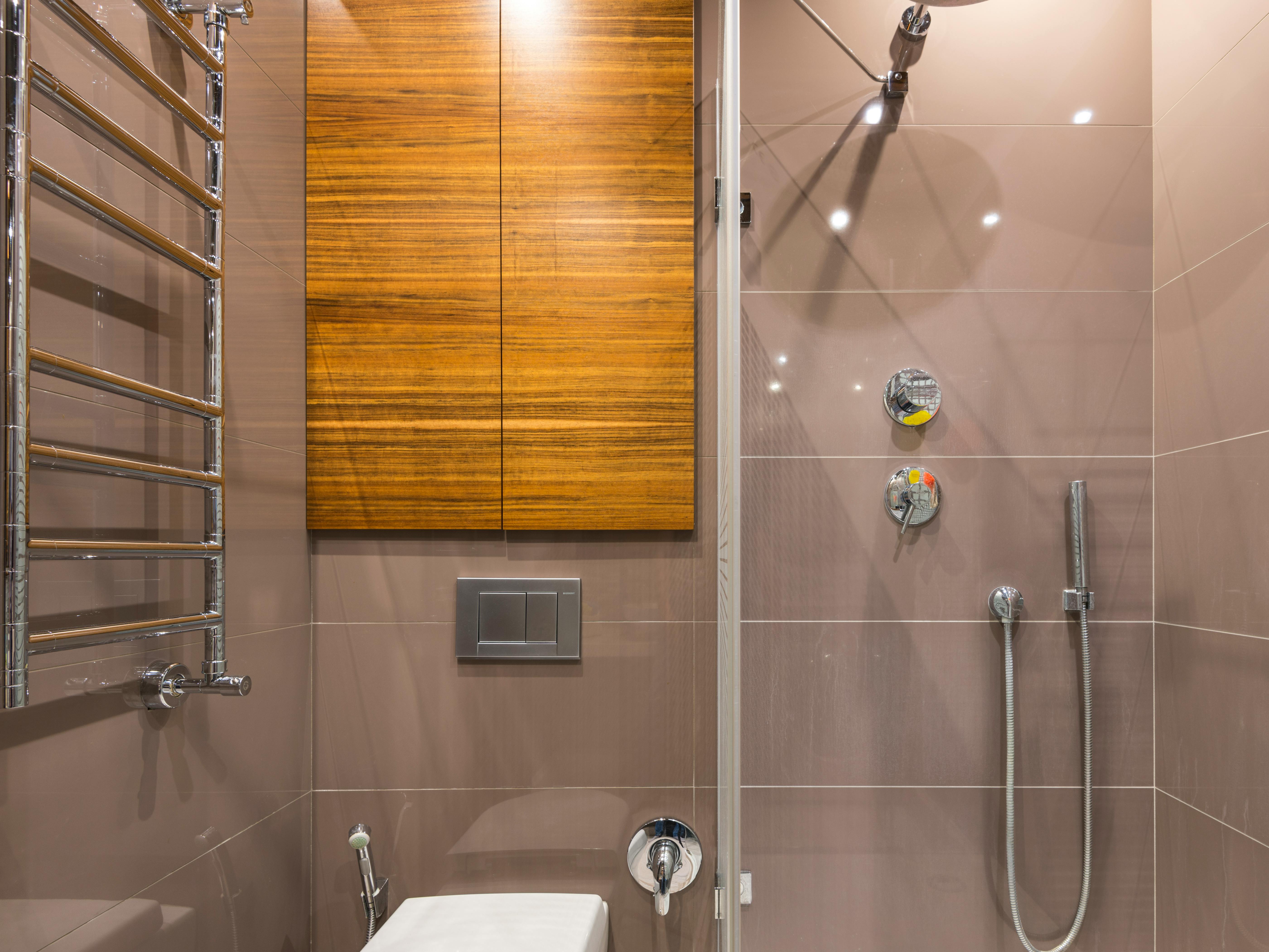
Brass vs. Plastic vs. Stainless Steel: Choosing the Right Material Grade
The material of a sprayer affects everything from lifespan to maintenance frequency, and local water quality should factor into the choice.
Solid brass bodies with chrome or nickel plating are generally the premium option. They resist corrosion well, handle high pressure without issue, and cope better with the hard water found across the south and east of England. They cost more, but a well-made brass sprayer can last a decade or more with basic care.
ABS plastic models are lighter, cheaper, and perfectly serviceable in soft-water regions. They can be more prone to cracking under pressure surges or in freezing conditions, and to limescale buildup. In hard-water areas like London, Essex, or much of the Midlands, expect more frequent descaling.
Stainless steel sits between the two — durable and corrosion-resistant, generally easy to maintain, though often pricier than brass for equivalent quality.
On pressure: UK mains water typically runs at 2 to 5 bar. Choosing a sprayer rated somewhat above your typical mains pressure gives a safety margin for surges. It's also worth checking whether the included hose is reinforced — a braided stainless steel hose is generally more failure-resistant than plain PVC, a genuine consideration for a bathroom installation.
Pressure, Flow Rate, and Control: What to Test Before You Buy
The control mechanism shapes the experience considerably. Trigger-style sprays — press and hold — are simple but can tire the hand during longer use. Slide-valve models generally offer finer pressure modulation, letting you tune the flow to what's comfortable.
Flow rate matters too: too high tends to splash, too low won't rinse effectively, so it's worth checking a product's flow-rate rating against typical home pressure before buying.
One factor many buyers overlook is backflow protection. A quality sprayer should include a one-way, WRAS-approved backflow prevention valve and a self-draining hose — these features help prevent water hammer and drips, common complaints with cheaper imports.
Wrap PTFE tape clockwise on the 15mm BSP thread before connecting the T-valve for a leak-free seal.
Compatibility Checklist: Will a Handheld Bidet Sprayer Fit Your UK Toilet?
Before buying, it's worth considering how the sprayer will connect to the existing setup.
- T-valve diverter on the toilet's existing water supply — works with most UK cisterns, including dual-flush models, and is the simplest DIY option
- Wall-mounted bracket with a separate supply line — requires a nearby hot or cold water tap
A UK-specific catch: most sprayers come with 15mm BSP threads, but some older toilets use 3/8-inch or other metric fittings. Checking the supply pipe diameter and having an adapter on hand from a DIY retailer before starting can save a wasted trip.
It's also worth measuring the distance from the toilet to the nearest water source and considering wall space for the cradle. A long-handled sprayer is generally easier to use from a seated position, particularly for elderly or less mobile household members.

What to Look For at Each Price Point
In the roughly £20–£40 tier, expect an ABS plastic body, a basic trigger or simple slide valve, a PVC hose, and a plastic wall bracket — fine for a guest bathroom used occasionally, but more prone to limescale buildup and cracking over time in hard-water areas.
The £50–£80 mid-range is generally where the best value sits: brass or stainless steel internals, a chrome finish, a reinforced hose, and a metal cradle, offering better pressure control and durability for daily family use.
Above roughly £90, expect full metal construction, adjustable spray patterns (jet, mist, or turbo), integrated backflow prevention, and longer warranties. Some premium models include dual-valve hot/cold mixing, which needs a plumber to install but can offer a more comfortable experience. Established UK bathroom brands offer options in this tier — check current specifications and warranty terms directly with the manufacturer, since these vary by model and change over time.
Where to Buy in the UK: Retailers and Regional Considerations
Amazon UK offers the widest range and fastest delivery, but it's worth being cautious of unbranded imports with unclear WRAS compliance. Specialist bathroom retailers can provide more expert advice and more reliably genuine UK-spec products, sometimes worth a slightly higher price for the peace of mind.
For DIY installers, general hardware retailers like Screwfix and Toolstation stock basic sprayers at competitive prices. B&Q and Wickes carry mid-range options with the advantage of seeing the product in person first.
In areas with distinct water conditions, independent plumbers' merchants can advise on local pressure and stock trade-grade models — particularly useful in parts of Scotland and the North of England, where rural water pressure can run lower. In hard-water regions like the Midlands and East Anglia, brass or stainless steel, alongside a water softener, can extend a sprayer's working life.
Installation, Maintenance, and UK Regulations
Most UK models install in well under an hour with no special tools: turn off the water supply, fit the T-valve diverter to the toilet's fill valve, attach the hose, and mount the cradle, using PTFE tape on threads to prevent leaks.
On the regulatory side: under UK water regulations, a sprayer connected to the mains must have a WRAS-approved backflow prevention device to prevent contaminated water entering the mains supply — this is a legal requirement, not an optional extra. Check for the WRAS mark on the product or packaging before buying; water fittings that aren't WRAS-approved can create genuine compliance and safety problems.
Maintenance is straightforward: descale the spray head periodically with vinegar (more often in hard-water areas), check the hose for kinks or wear from time to time, and replace rubber washers every so often. These simple steps help prevent leaks, maintain pressure, and extend the sprayer's working life.
The shift toward handheld bidet sprays in UK homes makes practical and financial sense. With rising toilet paper costs, growing environmental awareness, and genuine hygiene benefits, it's a small upgrade that can deliver outsized returns — choose the right material for the local water quality, verify WRAS compliance, and the switch is generally straightforward.