Electric Bidet Seat or Handheld Spray? An Honest UK Comparison
By James Hargreaves · Updated June 2026 · 8 min read
- Neither option is objectively "better" — they suit different budgets, bathrooms, and priorities
- Electric bidets need professional plumbing and electrical work; handheld sprays connect to existing toilet supply lines
- Handheld sprays offer lower cost and easier removal, useful for rentals; electric seats offer warmth and hands-free comfort
Both options promise improved cleanliness and reduced toilet paper usage, but they differ markedly in installation requirements, running costs, and day-to-day experience. This article sets out the genuine trade-offs so you can decide which suits your home and lifestyle, without overstating either option's popularity.
Regional Context: UK Housing and Water Considerations
The UK's housing stock presents some genuine challenges for bidet installation. Victorian and Edwardian terraces, common in cities like London and Manchester, often have compact cloakrooms with no power outlets near the toilet. Modern flats and new-build homes may feature en-suites with limited floor space instead. Water hardness also varies significantly across the UK — in hard water areas such as the South East and East Anglia, limescale buildup can affect the heating elements and nozzles of electric bidets over time, requiring more frequent maintenance. Handheld bidet sprays, with their simpler brass T-valves and plastic or metal spray heads, are generally less susceptible to limescale-related failure and can be easily descaled with a vinegar soak. Most UK toilet supply lines use a 15mm BSP thread, which makes handheld sprays a standard fit for the vast majority of homes regardless of age or plumbing layout.

Electric vs Handheld Bidet: Core Design Differences
An electric bidet is a powered unit that attaches to your existing toilet or replaces the seat entirely. It uses electricity to heat water, power a drying fan, and often includes a control panel or remote. A handheld bidet spray, by contrast, is a simple manual device connected to your toilet's water supply via a T-valve — you hold the spray head and direct the water stream yourself. This distinction drives most of the differences in cost, complexity, and day-to-day feel.
Installation Requirements for UK Homes
Handheld bidet sprays are designed for DIY installation. They connect to the cold water line that already feeds your toilet cistern using a brass T-valve with 15mm BSP threads. Most models come with a brass T-valve, a hose, and a spray head that mounts on a wall bracket. A competent DIYer can complete the job in under thirty minutes with basic tools and PTFE tape.
Electric bidets are a different category of job. Wiring a new electric bidet falls within UK bathroom electrical safety rules, and the socket itself often needs to sit outside restricted zones near a bath or shower — this typically means involving a qualified electrician rather than a simple plug-in job. The cost of an electrician, plus the unit itself, means electric bidets typically represent a substantially larger investment than handheld sprays. For renters or those in older homes without nearby power outlets, the handheld spray is often the only practical option without landlord-level renovation.
Running Costs and Energy Consumption
The heating element in an electric bidet draws power every time you use the warm water function. The energy consumption per use is modest, but it adds up over a year of regular use. Handheld bidet sprays use only the water pressure already present in your home's supply, so they add nothing to your electricity bill — the only ongoing cost is the water itself, which is metered in most UK homes. Even with daily use, the additional water consumption is minimal compared to the toilet paper savings either option delivers.
Long-Term Reliability and Maintenance
Electric bidets have more components that can fail over time — heating elements, control boards, motors for the dryer — and repairs typically require specialist knowledge and parts that may need ordering. A handheld spray has no electronics, no heating element, and no moving parts beyond the trigger mechanism. If something does go wrong, it's usually a worn rubber washer or a loose connection, both fixable in minutes with a spanner, and the spray head itself is inexpensive to replace.
This doesn't make handheld sprays universally "more reliable" in a market sense — electric bidet seats are a substantial and well-established product category globally, including in the UK, with manufacturers continually refining reliability. But for buyers who specifically prioritise simplicity and minimal long-term maintenance over comfort features, the handheld spray has fewer things that can go wrong.
User Control and Practical Versatility
Heated seats and warm water features on electric bidets can be genuinely pleasant, especially in cold winter months, and many users specifically value the hands-free, automated experience. The trade-off is added complexity — some users find the controls take getting used to, and there can be a brief delay between activating a function and the water arriving.
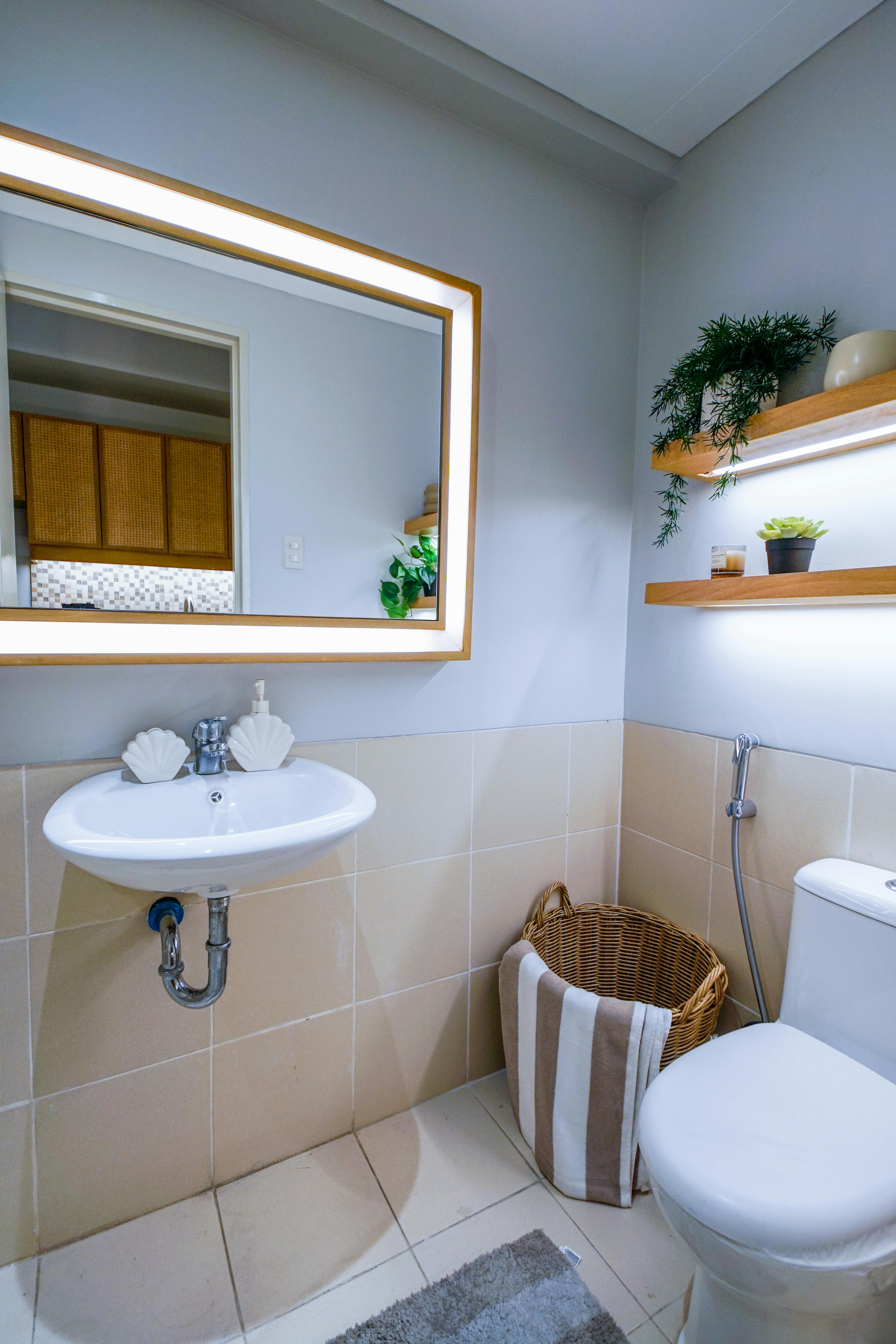
With a handheld spray, you control exactly where the water goes, at what pressure, and for how long — useful for users with mobility issues, anyone recovering from surgery, or parents cleaning nappy-age children, since the spray head can be aimed precisely in a way a fixed electric nozzle can't always match. Handheld sprays are also useful for general bathroom tasks like rinsing the toilet bowl, adding a bit of practical versatility beyond personal hygiene.
For maximum control with a handheld spray, choose a model with an adjustable nozzle pattern — a single jet for targeted cleaning or a wider spray for general rinsing.
Space Efficiency in UK Bathrooms
Space is often at a premium in UK flats and terraced houses. An electric bidet seat adds bulk to the toilet, which can make a small cloakroom or en-suite feel more cramped. Handheld bidet sprays take up virtually no space — the spray head mounts on a small wall bracket, and the hose tucks away when not in use. Electric bidets, with their electrical connections and permanent mounting, are also considerably harder to remove if you ever change your mind.
Environmental Impact
The manufacturing footprint of an electric bidet is larger than a simple sprayer — it contains plastics, metals, and electronic components, with a higher energy cost during production and a more complicated end-of-life disposal due to electronic waste. Handheld sprays are simpler to manufacture and recycle. For buyers specifically prioritising a lower-impact choice, the handheld spray has the edge — though it's worth noting an electric seat still produces far less environmental impact than continuing to rely solely on toilet paper.
Common Concerns
Will a handheld spray cause water pressure issues in my home?
No. Handheld bidet sprays operate using the existing cold water pressure in your home's supply line and don't draw from the hot water system or require a pump. In UK homes with standard mains pressure (typically 2–5 bar), the spray provides a strong, consistent stream. If you're on a gravity-fed system or have lower pressure, the spray will still function, though the flow may feel gentler.
Are handheld bidet sprays hygienic for shared bathrooms?
Generally yes, with regular cleaning. The spray head rinses with each use as water passes through the nozzle, and a quick wipe with a disinfectant cloth between uses in a shared bathroom keeps things hygienic. Look for a model with a built-in backflow prevention device appropriate for UK water regulations — bidet sprays are classified as a high-risk fitting (Fluid Category 5), so check the product specifically addresses this rather than assuming any basic valve is sufficient.
Will a handheld spray fit my existing toilet?
In almost all cases, yes. UK toilets typically use a standard 15mm BSP thread on the flexible hose connecting the cistern to the mains supply. The included brass T-valve screws between this hose and the cistern inlet, and the spray head mounts on a wall bracket using adhesive or screws — no permanent modifications needed, and the whole setup can be removed in minutes without leaving a trace, useful for rental properties.
Which Should You Choose?
If you rent, want to keep costs low, have an older bathroom without a nearby power outlet, or simply prefer fewer moving parts to maintain, a handheld bidet spray is the more practical starting point. If you own your home, are planning a fuller bathroom renovation, and specifically value heated water and hands-free comfort, an electric seat is a legitimate and increasingly well-established choice worth the extra investment.
Neither is the objectively "correct" answer — both are genuinely popular paths to the same underlying benefit: a more thorough, comfortable alternative to relying on toilet paper alone.