A Day With Each: What Living With a Bidet Spray vs a Bidet Seat Actually Feels Like
By James Hargreaves · Updated June 2026 · 8 min read

- Specs and price tags don't capture what actually changes about your daily routine with each option
- A handheld spray adds a small, repeatable action to your routine; a seat removes a step entirely
- The difference matters more for some households than others — it depends on who's using it and how often
Why Specs Don't Tell the Whole Story
Comparison charts are useful for prices and dimensions, but they don't really capture what changes about your morning or evening routine once either option is actually fitted. Here's what that looks like in practice, for two different households.
The Handheld Spray: A Flat-Share in Manchester
Three flatmates share one bathroom in a Victorian conversion with no socket anywhere near the toilet. They fitted a £35 handheld sprayer themselves on a Sunday afternoon — fifteen minutes with a spanner and a roll of PTFE tape, no drilling, no electrician.
Day to day, the routine adds one small, deliberate action: reach for the sprayer on its wall bracket, aim, squeeze the trigger for a few seconds, release, hang it back up. The water is cold mains temperature — noticeable for the first half-second, unremarkable after that. One flatmate occasionally uses it to give the toilet bowl a quick rinse too, something none of them had considered until they had a sprayer to hand.
When they eventually move out, the sprayer comes with them — unscrew the T-valve, reconnect the original hose, and the bathroom looks exactly as it did before. None of them had to ask the landlord about anything.
In a shared bathroom, agree on a simple after-use habit — a quick rinse and hang-up — early on. It costs nothing and keeps things hygienic for everyone without anyone needing to be asked.
The Bidet Seat: A Family Home in Surrey
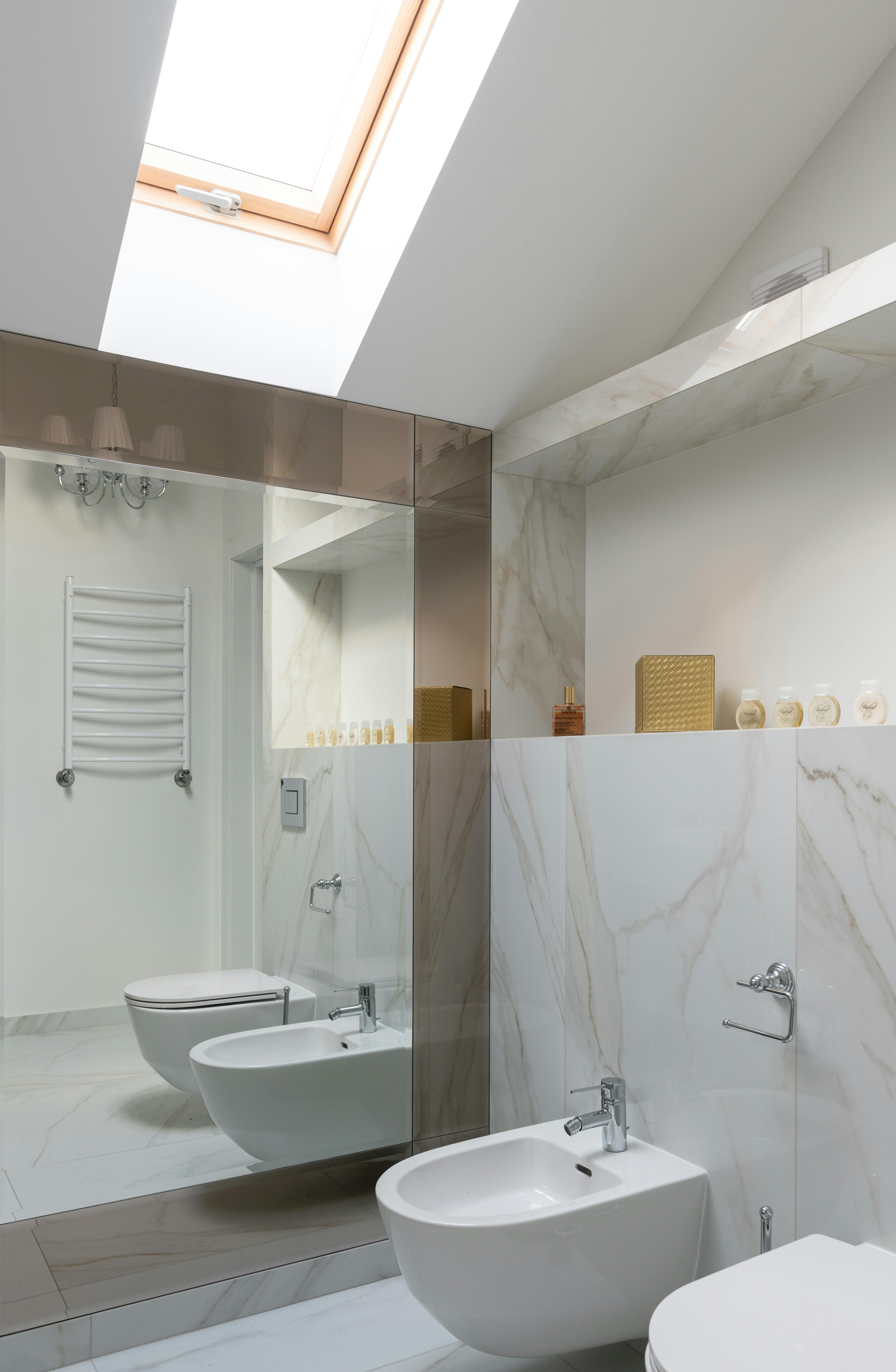
A family of four in an owned, recently renovated home chose a £280 electric seat for their main bathroom, with a socket already positioned safely outside the bathroom's restricted electrical zones from the renovation. A plumber fitted it alongside other work in under an hour.
Here, the routine changes differently: nothing to reach for, nothing to aim. Press a button on the side panel, the water — warmed automatically — does the rest, then a brief air-dry cycle finishes the job. Their youngest, six years old, manages it independently in a way that would have needed supervision with a handheld sprayer. On a cold January morning, the heated seat is the detail everyone in the house specifically mentions liking.
The trade-off shows up less often but more seriously: eighteen months in, a minor fault with the warm water function needed a call to the manufacturer and a two-week wait for a part — a kind of hassle a simple mechanical sprayer never produces, since there's nothing electronic to fail.
What Actually Determines Which Fits Your Life
Neither household's experience is more "correct" — they suit genuinely different situations:
- Renting, sharing, or no nearby socket: the flat-share scenario is closer to your reality. A handheld sprayer asks almost nothing of your bathroom and travels with you.
- Owned home, planned renovation, young children or anyone who'd struggle to aim a handheld unit: the seat scenario fits better — the hands-free element is a genuine practical advantage, not just a luxury.
- Cold bathroom, no central heating reaching it well: the heated seat is the single feature people notice and value most in winter, worth weighing seriously if this describes your home.
- Want to also rinse the toilet bowl, not just yourself: only the handheld spray does double duty here — a small but genuinely useful extra the seat can't match.
A Note on Hygiene Habits, Whichever You Choose
One detail applies regardless of which type you use: wiping or spraying from front to back helps reduce the chance of transferring bacteria toward the urethra, which is part of why good personal hygiene in this area is generally linked to lower urinary tract infection risk. If UTIs are a recurring concern for you specifically, it's worth raising with your GP rather than relying on any single product or habit to resolve it.
Maintenance Realities for Each
The flat-share's sprayer needs an occasional vinegar soak to clear limescale from the nozzle — a five-minute job, no tools beyond a bowl. The family's seat needs gentler, more deliberate care around its electronic components, and if something genuinely breaks, repair options in the UK are more limited and slower than simply swapping a £15 replacement nozzle on a mechanical sprayer.
The Honest Summary
A handheld spray suits households that want low cost, no installation hassle, and full portability, and don't mind a small manual step becoming part of the routine. A bidet seat suits households that have already invested in the right infrastructure (or are willing to), and specifically value the hands-free, heated experience enough to accept a higher price and occasional electronic hassle in exchange. Both genuinely deliver the core hygiene benefit — what differs is everything around it.