How to Choose a Handheld Bidet Spray for Your UK Bathroom
By James Hargreaves · Updated June 2026 · 8 min read
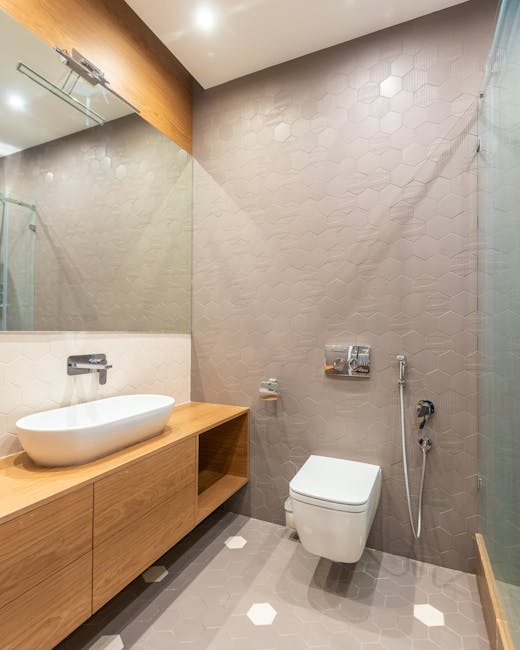
- Handheld bidet sprays start from under £20 and can substantially reduce toilet paper use for UK households
- Look for a WRAS-approved kit with proper backflow protection — this matters more than any other spec
- Brass-and-steel construction lasts longer in hard water areas than budget plastic, though both work
- Installation connects to your existing cold water supply, with no plumber required for most homes
A typical UK family of four spends £500–£700 a year on toilet paper. Switching to a handheld bidet spray cuts that considerably — you'll still want some paper for drying, but usage drops sharply. Water tends to clean more thoroughly than dry paper for most people, which matters if you deal with haemorrhoids, sensitive skin, or simply want a fresher routine. Less paper also means less bin waste and a lower risk of blocked drains from over-flushing.
UK Bathrooms and Why a Bidet Spray Genuinely Helps
The typical UK bathroom is among the smallest in Europe, often combining toilet, bath, and sink in one compact room. That means shared touchpoints — the flush handle, the tap, the door lock — see frequent use by every household member. A handheld bidet spray reduces reliance on manual wiping, which in turn reduces how much residue ends up transferring to hands and then to these shared surfaces. It's a sensible, modest hygiene improvement rather than a dramatic one — worth being honest about that, rather than overselling it.
What a Handheld Bidet Spray Actually Costs to Own
The spray kit itself is typically a £20–£55 one-off purchase depending on build quality, with no ongoing cost beyond a negligible amount of water per use. Against £500–£700 a year in toilet paper for a family of four, a quality spray pays for itself within a few months and keeps saving money for years afterwards. There's no subscription, no consumable to keep buying — just the occasional replacement hose or nozzle after several years of use.
Key Features to Look for in a Handheld Bidet Spray
Brass-bodied sprays last for years and resist cracking, while plastic models are lighter but can become brittle over time. A spray with a brass core even under a plastic outer casing gives you better durability without the full premium price. UK toilet layouts vary, but a hose of 1.2 to 1.5 metres gives enough reach without tangling, and a stainless steel braided hose outlasts a rubber one and resists kinking.
Most handheld bidet sprays connect to a ½-inch BSP thread under your toilet cistern via a T-valve, and the connection must be to the cold water line only — hot water connections aren't permitted under UK water regulations because of backflow risk. Bidet fittings are treated as a high-risk category for backflow specifically, so confirm any kit you buy is WRAS-approved with proper protection built in, not just "includes a valve" in vague terms. A trigger-lock mechanism, which lets you spray without holding the lever down continuously, is a genuinely useful feature if you have arthritis or limited hand strength.
If you're in a hard water area, prioritise a silicone nozzle over rubber — silicone resists limescale stiffening far better, and it's a small spec detail that's easy to overlook next to price and brand.
Build Quality: What Separates a Budget Kit from a Durable One
A genuinely budget kit with a plastic body and brass fittings at the connections is a reasonable entry point — the metal fittings at the threaded joints are what actually prevent corrosion and leaks, even if the body itself is plastic. What's worth avoiding is a kit that skips proper backflow protection entirely or uses a flimsy plastic T-valve prone to cracking under normal hand-tightening. Spending a little more for a kit with confirmed WRAS approval and brass-or-better fittings throughout is worth it for both compliance and longevity.
At the more premium end, all-metal construction — brass body, chrome-plated finish, stainless steel braided hose — tends to feel noticeably more solid in daily use and holds up better to years of regular use and descaling in hard water areas.
UK Bidet Spray FAQ: Installation, Legality, and Maintenance
Is it legal to install a bidet spray in the UK?
Yes, provided it connects to the cold water supply only and includes proper backflow protection appropriate for the high-risk category bidet fittings fall under in UK water regulations. Look for WRAS approval that specifically addresses this, rather than assuming any kit with "a valve" is automatically compliant.
Can I install it myself?
Most handheld bidet spray kits need no plumber. You attach a T-valve under your toilet cistern, connect the hose, and mount the spray bracket — typically 15 to 30 minutes with an adjustable spanner and some PTFE tape. If your toilet has a concealed cistern or unusual fittings, it's worth consulting a plumber rather than forcing a fit.
How do I clean and maintain my bidet spray?
Rinse the nozzle after use and give it a more thorough clean monthly. Descale every three months by soaking the nozzle in white vinegar for around 30 minutes, which prevents mineral blockages in hard water areas. Check hose connections for leaks annually and tighten gently if needed — no special maintenance is required beyond these simple habits.
Common Questions, Answered Honestly
"Won't the water spray make a mess everywhere?"
This is the most common hesitation, but in practice it's easily avoided. The adjustable nozzle delivers a focused stream, not a mist, and the trigger gives you full control over flow and direction. Most people find they've got the hang of it within one or two uses, with any residual droplets easily addressed by the small amount of toilet paper still used for drying.
"I'm worried about installation and potential plumbing damage."
Installation costs nothing extra if you do it yourself — the kit includes a T-valve that screws onto your existing cold water supply under the cistern, with no pipe cutting or soldering involved. The risk of damage is low if you follow the instructions: PTFE tape on threads, hand-tighten connections, and check for leaks before relying on it daily. If you'd rather not do it yourself, a plumber can usually fit one in under 30 minutes for a modest fee.
"Does a bidet spray really make a meaningful difference to hygiene?"
For most people, yes — water generally cleans more thoroughly than dry wiping, since paper relies on friction and can leave some residue behind. It's worth being realistic rather than absolute about this: a 2022 study published in the Journal of Water and Health found that the large majority of participants showed a markedly reduced bacterial load on their hands after using a bidet compared with paper alone, though it's not a claim of complete sterility — the device itself still needs regular cleaning, since nozzles can harbour some bacteria if neglected. For anyone with haemorrhoids or general sensitivity in this area, many people find the gentler, more thorough clean a genuine improvement, though if you have a specific ongoing condition, it's worth a word with your GP about what's right for you.
How Bidet Sprays Compare to Other Cleaning Methods
Toilet paper alone is the familiar baseline — cheap upfront but a recurring cost over time, and less thorough at cleaning for many people. Wet wipes cause genuine problems for UK sewer systems and shouldn't be flushed regardless of "flushable" labelling claims, per current Water UK guidance. Electric bidet seats start around £150 and need a nearby power socket, which many UK bathrooms simply don't have. A handheld bidet spray sits in a sensible middle ground: low cost, simple installation, no electricity needed, and a spray head that reaches wherever it's needed — useful for elderly users or anyone recovering from a minor procedure too.
Environmental Impact of Reducing Toilet Paper Use
Producing a single roll of toilet paper from virgin pulp is estimated to use well over 100 litres of water once the full manufacturing process is accounted for. Cutting your household's paper usage meaningfully reduces demand on that resource-heavy supply chain, and buying fewer packs means less plastic packaging ending up in landfill or recycling. The spray kit itself is a one-off purchase lasting years, with only an occasional replacement hose or nozzle needed.
Common Installation Mistakes to Avoid
The most common and most serious mistake is buying a kit without proper backflow prevention — this isn't compliant with UK water regulations and risks contaminating your mains supply, so always confirm WRAS approval before purchasing. Rubber hoses degrade faster in hard water areas and can develop pinhole leaks after a year or two; stainless steel braided hoses cost a little more but last substantially longer and resist kinking. While most UK toilets use a standard ½-inch BSP connection, older models or concealed cisterns may need adapters — measuring your existing supply pipe (or taking a photo) before ordering avoids compatibility surprises.
Final Considerations
For hard water areas, prioritise a silicone nozzle over rubber, and brass-or-better fittings at every threaded connection. Wall-mounted brackets are more stable but need drilling; cistern clips install more easily but may not fit every toilet shape. Whatever you choose, confirm it's WRAS-approved, check the thread size matches your toilet, and you'll have a straightforward, long-lasting upgrade to your bathroom routine.