This article is for informational purposes only and does not constitute medical advice. Consult a qualified healthcare professional before making any health-related decisions.
Do You Still Need to Wipe After Using a Bidet? The Complete UK Guide
By James Hargreaves · Updated August 2026 · 10 min read
- After proper bidet use, you generally only need to pat dry – not wipe for cleanliness
- Bidet use is linked to better hand hygiene, with less hand contamination compared to wiping with toilet paper alone [1]
- A handheld bidet spray costs a fraction of a penny per use and cuts toilet paper consumption substantially
Let me start with a confession. In over a decade working in UK home improvement, I've lost count of the number of times a customer has asked me, quietly, almost sheepishly: "But do I still need to wipe?" It's the question everyone wants answered before they commit to installing a bidet spray in their UK bathroom. So let's get straight to it.
From a practical standpoint, the transition from toilet paper to a bidet spray involves a short learning curve, but the payoff is substantial. The most common regret among new users I've spoken to is not making the switch sooner. The key is understanding that bathroom habits are deeply ingrained, and giving yourself a proper two-week adjustment period is worth it. During this time, keep a small pack of flushable wipes or soft toilet paper nearby for drying, and you'll quickly find that the water does the heavy lifting.
Why Traditional Wiping Falls Short: The Hygiene Problem You're Solving
Here's the uncomfortable truth about dry toilet paper: it doesn't actually clean. It smears. Think about it – if you spilt jam on your kitchen worktop, would you wipe it with a dry paper towel and call it clean? Of course not. You'd use water.
The same principle applies to your nether regions. Dry paper leaves microscopic residue behind, which can cause irritation and itching. Research has shown that bidet use is linked to better hand hygiene, with significantly less hand contamination compared to wiping with toilet paper alone [1]. For UK households, where many of us share bathrooms and hand towels, that's a genuine health advantage worth considering.
Our hard water and the quality of toilet paper available in British supermarkets also play a part. Many budget rolls are thin and rough, making effective cleaning even harder. Water-based cleaning is simply gentler on sensitive skin.
How a Bidet Spray Actually Cleans: The Mechanism Explained
A bidet spray works on a straightforward principle: pressurised water physically dislodges residue from the skin's folds. Unlike wiping, which pushes residue around, the water stream lifts and rinses it away. Adjustable pressure means you can find the sweet spot between gentle and thorough.
It's worth clarifying the difference between a handheld spray and the fixed nozzles you might see on some electric bidet toilet systems. Both deliver a jet of water to clean the area, but they require somewhat different techniques [2]. With a handheld spray, you control the direction and angle entirely – a real advantage, since you can target precisely where cleaning is needed without contorting yourself into awkward positions.
Water temperature matters too. Cold water does the job, but warm water is far more comfortable, especially during winter months. Some sprays offer a mixer option that blends hot and cold, worth checking for if year-round comfort matters to you.
The Honest Answer: Do You Still Need To Wipe?
Here's the straightforward answer: once you've mastered the technique, you generally don't need to wipe for cleanliness – just pat dry. The water does the cleaning; the paper simply absorbs moisture. That's a common experience reported by long-time users [3], and it matches what I've seen installing these units for customers over the years.
During your first week or two, you may want to do a check wipe to make sure you've got the positioning right. This is completely normal. With practice, the need for a verification wipe usually disappears.
Step-by-Step: The Correct Way to Use and Dry Off
Let me walk you through the technique, because there's a right way and a wrong way to use these things.
First, position yourself on the toilet as you normally would. Hold the spray head in your dominant hand and aim it at a 45-degree angle towards the target area. Start with short bursts at low pressure – you can always increase the flow once you're comfortable. Move the spray gently back and forth to cover the entire area thoroughly.
For drying, pat – don't rub. Rubbing irritates the skin and defeats the purpose of using water in the first place. A few squares of toilet paper, gently pressed against the skin, will absorb the moisture without causing friction. Some people prefer a dedicated microfiber towel, which is fine as long as you wash it regularly. Air drying works too, if you have a few minutes to spare.
Before your first proper spray, test the water temperature on your wrist like you would a baby's bottle. A surprise cold blast at 6am is not the wake-up call anyone needs.
Bidet vs. Toilet Paper: A Cost and Environmental Comparison for UK Homes
Let's talk money, because that's what often convinces people to make the switch. A handheld bidet spray is a one-time purchase that, for most households, pays for itself within the first year or so.
The ongoing costs are negligible. A typical bidet spray uses a modest amount of water per session – a small fraction of a penny per use once you account for water charges. Compare that with the cost of even the cheapest toilet roll, and the savings become obvious over time.
Environmentally, the benefits are just as compelling: less toilet paper use, better hygiene, and a more comfortable bathroom routine, for households that want to reduce their footprint.
UK Bathroom Realities: Installation, Water Pressure, and Building Regulations
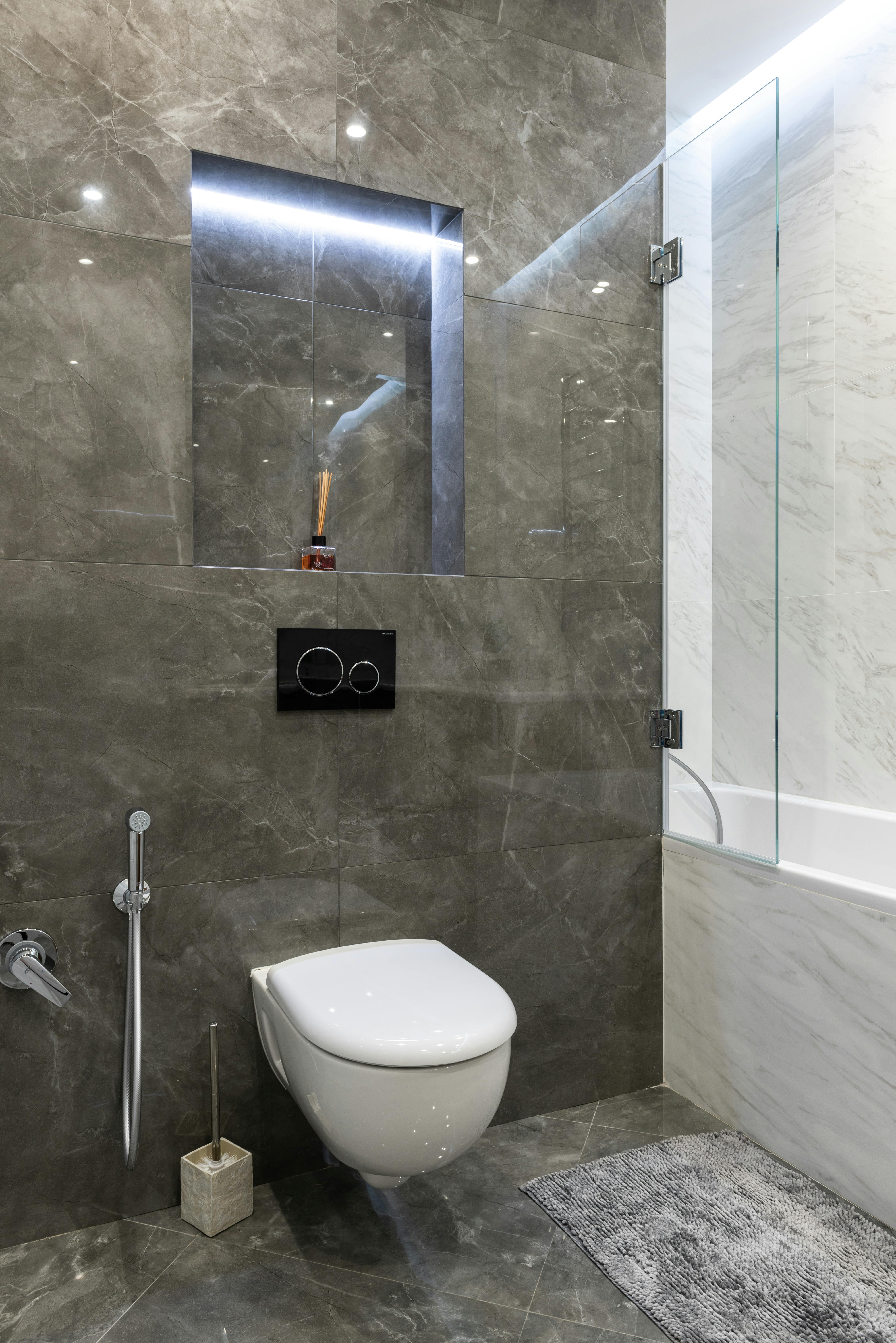
Now, let me put on my plumber's hat and address the practical concerns. Installing a handheld bidet spray is genuinely simple. It connects to your existing toilet supply line with a T-valve, and most UK homes have adequate water pressure for effective cleaning.
One thing worth flagging: a handheld bidet spray still falls under UK water fittings regulations as a backflow risk, so it needs proper backflow protection to be compliant – this isn't a "no regulations apply" situation, even though the installation itself is simple. If you want the full detail on what's required, it's worth checking our dedicated guide on UK water regulations for bidet sprays rather than assuming any given product is automatically compliant.
One thing I always emphasise to customers: check that any spray you're considering includes verified backflow protection and carries WRAS approval. It's worth confirming this directly with the manufacturer rather than assuming it as standard, whichever brand you're looking at.
Common Concerns
"Will a bidet spray cause a mess on the bathroom floor?"
This is the most common worry I hear, and it's understandable. A handheld bidet spray is designed to be used while seated on the toilet, with the spray directed into the bowl. The water stream is contained, and any overspray is minimal if you angle the spray slightly downward and keep the pressure moderate. In my experience, the floor stays dry as long as the unit has a self-draining nozzle design that avoids drips after use.
"Is a bidet spray difficult to install for a DIY beginner?"
Not at all. The installation process typically takes about 15 minutes and requires only a pair of adjustable pliers. You shut off the water supply to your toilet, attach the T-valve to the existing supply line, connect the hose, and you're done. There's no need for a plumber unless you encounter unusual pipework. Most kits use standardised fittings for UK toilets with 15mm BSP threads – worth double-checking against your own setup before buying.
"Will using a bidet spray increase my water bill significantly?"
No, and this is a misconception worth correcting. A typical bidet session uses a small amount of water, costing a fraction of a penny. Even with multiple uses per day, the added annual water cost is modest. Water companies in the UK charge by volume, and the amount used by a bidet spray is negligible against overall household consumption.
How to Choose the Right Handheld Bidet Spray for Your Bathroom
If you're ready to make the switch, here's what to look for when comparing models.
Spray head design
A well-designed spray head should deliver a consistent, aerated stream rather than a harsh jet. Look for options with multiple pressure settings so you can adjust as needed.
Connection type
Most UK toilets use a standard 1/2-inch supply line with 15mm BSP plumbing threads, which means installation is generally straightforward. Check that the included T-valve matches your existing setup before purchasing.
Build quality
Brass fittings and a metal spray head tend to outlast plastic alternatives by years. It's often worth spending slightly more for components that won't crack or leak.
Hose length
A 1.5-metre hose is usually sufficient for most bathrooms, but if your toilet is positioned awkwardly, consider a longer option.
Backflow prevention
This isn't optional – it's a legal requirement under UK water regulations. Confirm any model you're considering includes verified backflow protection, not just a generic check valve.
The Final Verdict: Making the Switch to a Bidet Spray in Your UK Bathroom
Most people who make the switch to a bidet spray find it a worthwhile investment. The adjustment period is short, and the benefits last a lifetime.
You'll likely save money, reduce your environmental footprint, and enjoy a level of cleanliness that dry paper alone struggles to match.
My honest recommendation? Start with a straightforward handheld spray, practise the technique for a fortnight, and give it a fair trial before judging. Your bathroom routine could be transformed, and it's worth finding out for yourself why so many people who switch never go back.