How Often Should You Clean a Bidet Spray? UK Cleaning Guide
By James Hargreaves · Updated August 2026 · 10 min read
- A light wipe every 1–2 weeks keeps daily grime and limescale at bay, with a deeper monthly inspection for thorough hygiene
- Hard water areas like London and East Anglia demand more frequent cleaning to prevent nozzle blockages
- Regular cleaning protects your equipment and prevents deposit deductions for renters
Why Your Bidet Spray Needs a Regular Cleaning Schedule in the UK
Let me be straight with you. In my experience, the one question I get asked more than any other is about cleaning. The spray water does self-clean the nozzle during use to a degree, but that only rinses the surface. It doesn't touch the soap scum, limescale, and bacteria from toilet splash-back that accumulate on the handle, hose, and trigger mechanism.
Here's the thing – there are no published UK guidelines for bidet cleaning frequency. That leaves a gap, and in my view it's reasonable to fill it with what works in practice. A routine of a light wipe every 1–2 weeks and a deeper monthly inspection works well for most households — a schedule commonly recommended by bidet suppliers, though it's worth treating as sensible practice rather than an official standard [2]. If you're in a hard water area, you'll need to be more aggressive with that schedule.
UK bathrooms are humid environments, and if you're in London, East Anglia, or other hard water regions, mineral buildup accelerates quickly. That's not me being dramatic – it's simple chemistry. Hard water leaves calcium deposits that cling to your spray head like glue.
What You Need: The Essential UK Cleaning Toolkit for Your Bidet Spray
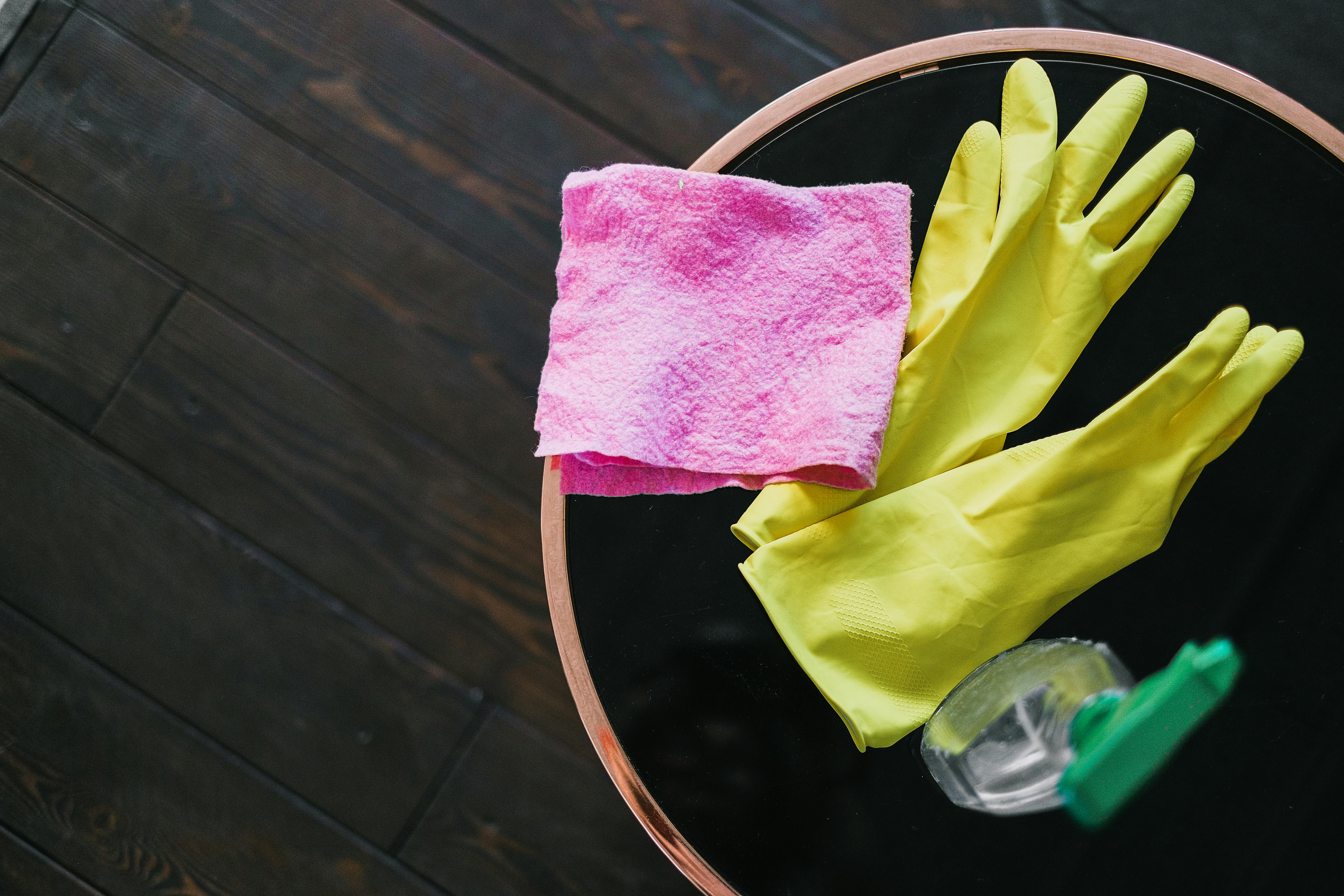
Before you start, gather your kit.
- White vinegar or a dedicated limescale remover
- A soft microfiber cloth – never use abrasive scouring pads that scratch chrome or plastic finishes
- An old toothbrush for scrubbing those hard-to-reach areas
- Cotton buds for the trigger gaps
- A small bowl for soaking the nozzle
If you're planning a deep clean, you'll also want a spanner or adjustable wrench to disconnect the hose. And grab some PTFE tape – 1/2 inch BSP thread is the standard for UK fittings – to re-seal connections when you put everything back together.
Safety note: Always turn off the isolation valve on your toilet's water supply before disassembling any part of the spray. And if you're renting, check your tenancy agreement first. If modifications are restricted, stick to surface cleaning only.Step-by-Step: How to Perform a Weekly Quick Clean of Your Bidet Spray
This takes five minutes, so there's no excuse.
Step 1: Mix a 50/50 white vinegar and water solution and spray it onto the handle, hose, and trigger. Wipe everything down with your microfiber cloth. This removes daily grime and stops limescale from settling in the first place.Step 2: Dip a cotton bud in vinegar and clean the trigger gaps and the nozzle tip. This is where residue from spray water and toilet particles can hide. Rinse with clean water afterwards – don't leave vinegar sitting on the surface.Step 3: Run a damp cloth along the full length of the hose, paying attention to any creases where mould can form. Leave the spray to air-dry for five minutes before returning it to its holder.Wrap PTFE tape clockwise around the BSP thread before reconnecting any spray components to ensure a watertight seal every time.
Monthly Deep Clean: Disassembling Your Bidet Spray for a Thorough UK-Grade Clean
Once a month, you need to go further.
Step 1: Turn off the isolation valve. Unscrew the hose connection – use your wrench if it's tight – and remove the spray head from its bracket. Keep the small rubber washer safe; it's easy for one to slip down the drain if you're not careful.Step 2: Soak the spray head and nozzle in a bowl of warm water with a descaling solution for 30 minutes. This breaks down hard water deposits effectively. Use your old toothbrush to gently scrub the nozzle holes – don't poke anything sharp into them or you'll damage the spray pattern.Step 3: Reassemble everything. Wrap PTFE tape clockwise around the BSP threads – typically 1/2 inch for UK fittings – to ensure a watertight seal. Turn the valve back on and test for leaks before normal use.How Hard Water in Your UK Region Changes Your Cleaning Frequency
Your postcode matters more than you might think. If you're in a hard water area – check your water supplier's hardness map – scale can build up on the nozzle within days. In that case, bump your weekly wipe up to twice a week, and use a dedicated limescale remover monthly rather than every couple of months.
For those in soft water regions like Scotland or North Wales, you can ease off a bit. A wipe every two weeks and a deep clean every six to eight weeks should be sufficient, as mineral deposits are minimal.
Here's the practical reason to care: ignoring hard water buildup can clog the nozzle holes, reducing spray pressure and making your bidet less effective. In my experience, sprays can go from a powerful jet to a pathetic dribble just because the owner didn't bother with maintenance. Don't let that be you.
Renter vs. Homeowner: Cleaning and Maintenance Rules for UK Bathrooms
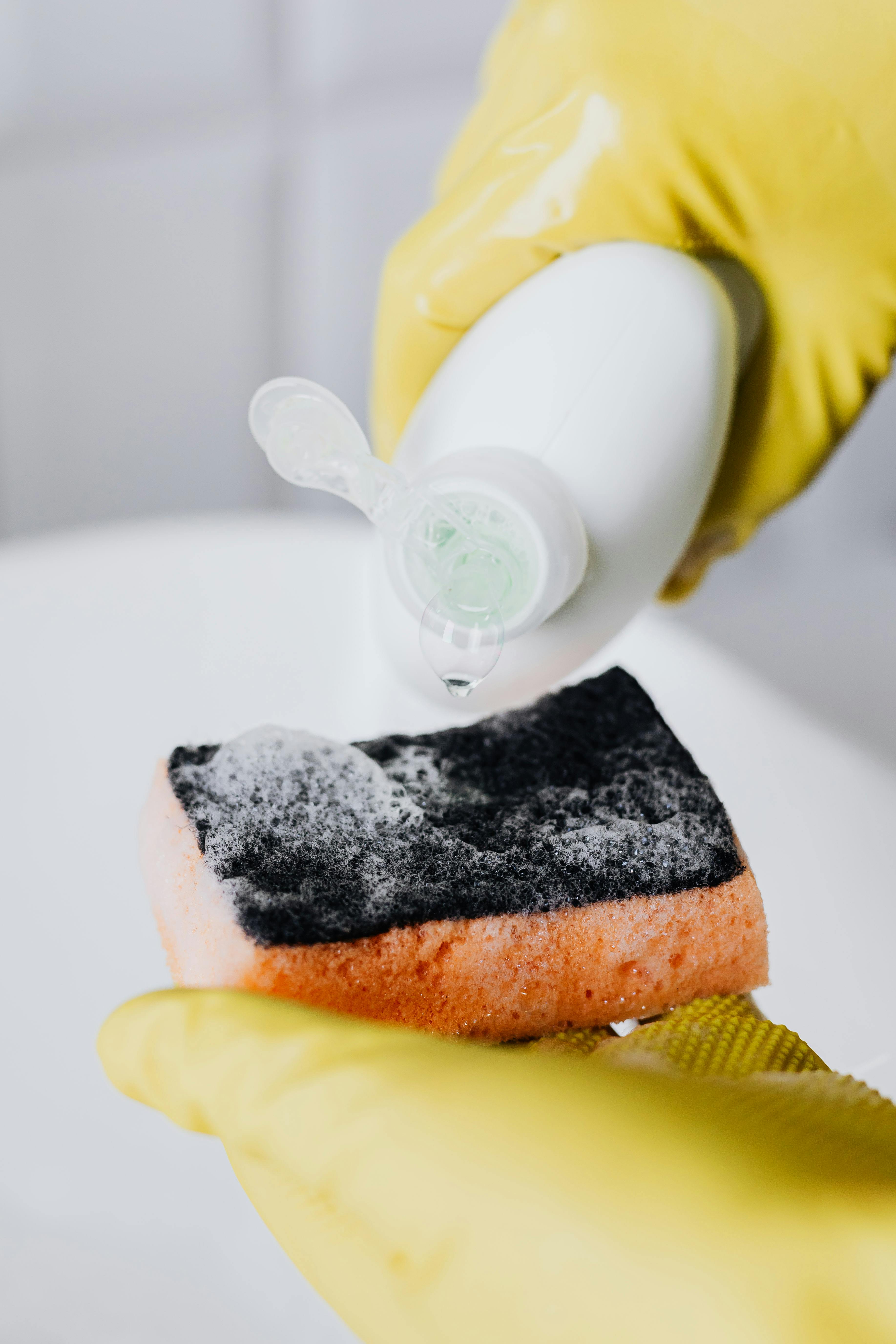
Your housing situation changes how you approach this. For renters, avoid any cleaning method that could damage the spray or hose – you're liable for repairs. Stick to vinegar and cloths, and never use abrasive chemicals that could discolour plastic parts.
Homeowners have more freedom. You can safely disassemble and descale the spray monthly, and consider replacing the hose every 2–3 years if it shows cracks or stiffness.
Here's a legal note that might surprise you: UK tenancy agreements often require you to maintain fixtures in "good condition." Regular cleaning helps avoid limescale damage that could otherwise be deducted from your deposit. It's worth keeping a simple record of your cleaning routine – even a few dated photos – if you want extra peace of mind.
Common Bidet Spray Cleaning Mistakes UK Users Make (and How to Avoid Them)
In my experience, the biggest mistake is using bleach-based cleaners on chrome or plastic fittings. This causes pitting and discolouration that's permanent. Always read the label before choosing a cleaning product – the same way you'd check ingredients on food. Choose a mild acidic cleaner like vinegar instead.
Another common error is forgetting to clean the hose's interior. If you notice a musty smell, run the spray for 30 seconds with the nozzle submerged in a vinegar solution to flush internal bacteria, then rinse thoroughly.
And don't skip the monthly deep clean just because the spray looks fine. Bacteria and limescale build up invisibly inside the nozzle. Stick to the schedule even if the exterior appears clean – your nose will thank you.
The Role of Water Pressure and Flow in Bidet Spray Hygiene
Water pressure plays a bigger part in your cleaning routine than most people realise. If your spray has weak flow, it won't rinse the nozzle effectively during use, meaning more residue stays behind. Check the pressure regularly by pressing the trigger over the toilet bowl – you should see a consistent, strong jet.
If the flow seems weak, the filter or inlet screen may be blocked with debris. This is a common issue in older UK properties with ageing pipework. Remove the hose connection, inspect the small mesh filter, and rinse it under running water. Reattach with fresh PTFE tape on the BSP thread to maintain a proper seal.
Low pressure can also indicate limescale inside the spray head itself. If your deep clean hasn't restored full flow, soak the head in a stronger descaling solution overnight. If that still doesn't work, the internal components may simply be worn out, and it may be time to consider a replacement.
When to Replace Rather Than Clean Your Bidet Spray
No amount of cleaning can fix a spray that's reached the end of its life.
- Cracks in the hose or handle that leak water when the trigger is pressed
- A nozzle that no longer produces a consistent spray pattern even after descaling
- Stiff or sticking trigger mechanism that doesn't respond smoothly
- Visible corrosion on metal parts that cleaning cannot remove
If you spot any of these, stop using the spray immediately and replace it. A faulty spray can leak water into your bathroom floor or cause scalding if the hot water connection fails. Replacement units from UK suppliers are widely available at a range of price points.
When fitting a new spray, always check that the fittings match your existing setup. Most UK installations use 1/2 inch BSP connections, but it's worth confirming before you buy. A mismatch means extra trips to the hardware shop and unnecessary frustration.
Quick Answers: Your Top UK Bidet Spray Cleaning Questions, Answered
How often should I clean it?
A quick wipe every 1–2 weeks and a deep clean monthly, but increase frequency in hard water areas or if you use the spray multiple times daily.
Can I use the spray's own water jet to clean it?
No. The self-cleaning mechanism only rinses the nozzle surface; it doesn't remove limescale or bacteria, so manual cleaning is still essential.
Is it safe to use commercial bathroom cleaners?
Yes, but only those labelled as safe for chrome and plastic. Avoid anything with hydrochloric acid, and always rinse thoroughly with water after cleaning to prevent residue.
What about the water supply connection?
As covered above, always isolate the valve first and use PTFE tape rated for potable water when reassembling. UK water byelaws require WRAS-approved backflow protection (England and Wales) — for handheld sprays, that means a verified air gap arrangement, not just a check valve — so check your fittings are compliant, ideally with input from a qualified plumber if you're unsure.
How do I know if my fittings are WRAS-approved?
Look for the WRAS approval mark on the packaging or the fitting itself. If you're unsure, check with the manufacturer or consult a qualified plumber before connecting anything to your water supply.
If you're ever unsure about a specific issue, consult a qualified plumber – there's no shame in calling in a professional when you need one.