Does a Bidet Really Save Water in the UK? The Facts & Figures
By James Hargreaves · Updated August 2026 · 9 min read
- A handheld bidet spray uses a fraction of the water of a single toilet flush, with most cleaning sessions consuming well under 2 litres
- Toilet paper carries a substantial hidden water footprint from manufacturing that most UK households never consider
- UK households can save thousands of litres of water annually with a simple retrofit sprayer that requires no plumbing changes
Why the UK's Toilet Paper Habit Is a Hidden Water Problem
When we think about water use in the bathroom, the flush is usually the first thing that comes to mind. But there's a far less obvious culprit hiding in plain sight: the toilet roll itself. Water-footprint research on paper products generally supports this scale of embedded water, though exact figures vary by mill and sourcing practices.
For a household of four, that's 400 rolls annually, representing over 56,000 litres of embedded water—before a single flush. Compare that to the direct water used per flush: older UK toilets use 6–9 litres, while newer dual-flush models use 4–6 litres for a full flush and as little as 3–4 litres for a reduced flush. The water you never see, locked into the paper manufacturing process, often exceeds the water you flush away. That's the real scale of the problem.
How a Bidet Spray Actually Uses Water: The Mechanics
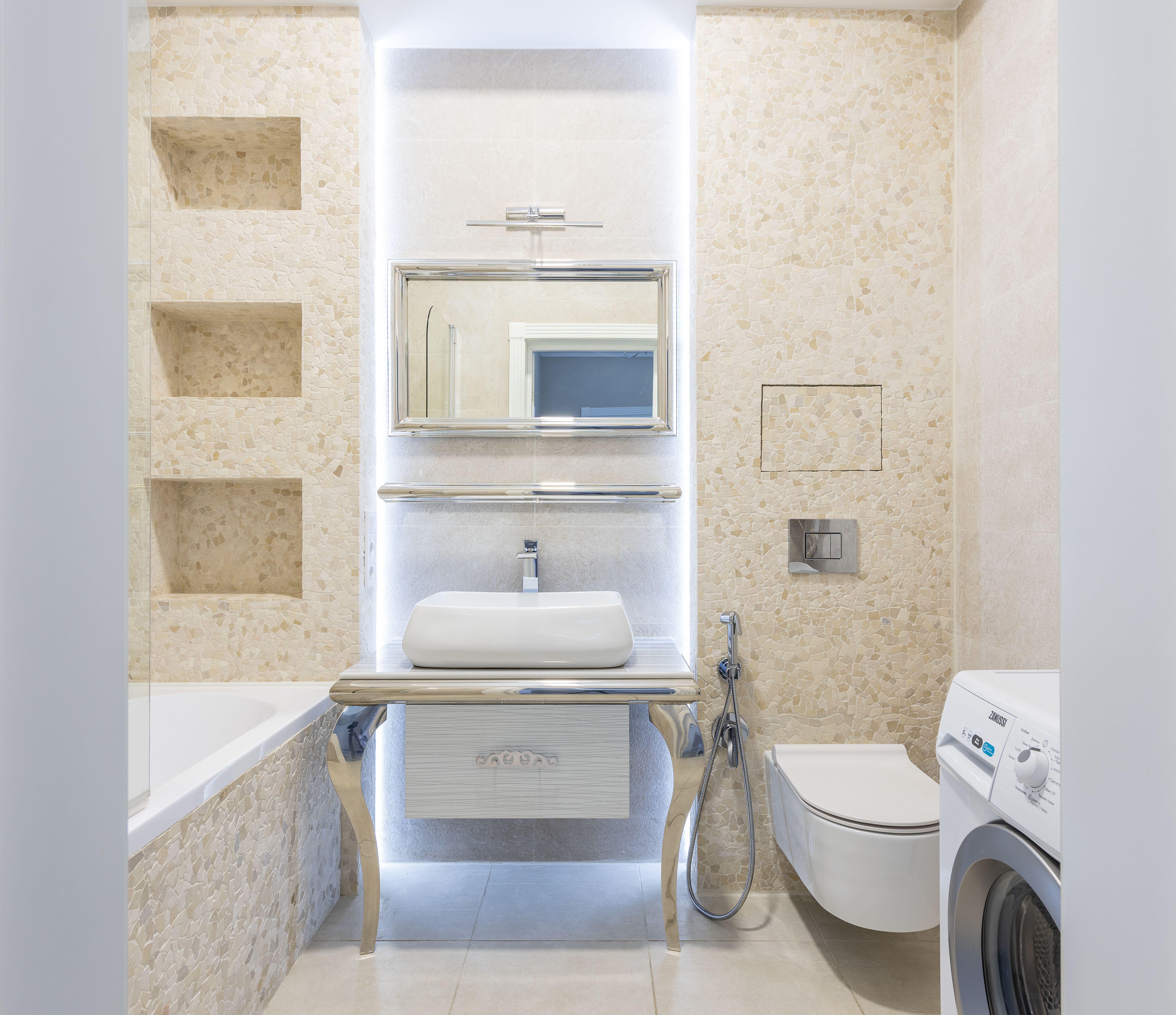
A handheld bidet sprayer operates on a simple principle: a pressurised jet of water directed precisely where you need it. Most UK models deliver between 0.5 and 1.5 litres per minute, and a typical cleaning session lasts 30–60 seconds.
The trigger valve is the key differentiator. Unlike a toilet flush, which releases a fixed volume of water regardless of need, a handheld spray stops the moment you release the trigger. Water flows only during active cleaning. Consider a worked example: one bidet use at roughly 0.5 litres, followed by a reduced flush at 4 litres, totals 4.5 litres per bathroom visit — noticeably less than the water used for a paper-only routine that often involves a fuller flush, before you even account for the paper itself.
The Toilet Paper Reduction: What the Data Really Shows
Industry estimates suggest that switching to a bidet can reduce toilet paper usage by up to 75%. That figure comes from commercial sources rather than peer-reviewed UK studies, so treat it as a realistic upper bound rather than a guaranteed outcome. The actual reduction depends on your habits—whether you still use paper for drying, how thorough your spray technique is, and the quality of the sprayer itself.
The knock-on water savings are substantial. If a UK household using 100 rolls per year cuts paper consumption by 75%, that's 75 fewer rolls annually. At roughly 140 litres per roll, the virtual water saving approaches 10,500 litres per year. The paper reduction dominates the water equation, regardless of how much spray water you use.
Bidet vs. Toilet Paper: A Lifecycle Water Comparison for UK Homes
A full lifecycle comparison reveals the true disparity. Toilet paper requires water at every stage: growing trees, pulping, bleaching, transporting, and processing. Life-cycle research comparing toilet paper and bidet use notes that water conservation deserves particular attention in water-scarce environments — a principle that applies more broadly too [1]. Bidet water, by contrast, comes directly from your mains supply, requiring no manufacturing, packaging, or transport.
Let's build a UK-specific scenario. A family of four using 400 rolls per year carries an embedded water footprint of roughly 56,000 litres. A bidet sprayer, used 3,000 times per year across the household at 1 litre per use, consumes just 3,000 litres of direct water. The difference is substantial. There's also a secondary benefit: less paper flushed means less water needed for waste conveyance through the sewer system, though this is a minor factor in the UK's combined sewer infrastructure.
| Water Source | Typical Volume per Use |
|---|---|
| Handheld bidet spray | 0.25–1.5 litres |
| Reduced toilet flush | 3–4 litres |
| Full toilet flush | 6–9 litres |
| Embedded water in one toilet roll | Approximately 140 litres |
The table above illustrates the stark contrast between direct and embedded water use. This comparison forms the basis for understanding why the UK's adoption of bidet technology has been slow, despite the clear environmental benefits.
Why the UK Lags Behind: Cultural and Plumbing Barriers to Bidet Adoption
Britain has historically been slower than Southern Europe and much of Asia to adopt bidets or handheld sprays, for a mix of cultural and practical reasons that persist despite growing environmental awareness.
Practical barriers exist too. Older UK homes often lack the plumbing space for a standalone bidet fixture. But handheld sprayers bypass this entirely—they retrofit to existing toilet supply lines with a simple T-valve, requiring no additional pipework or structural changes. UK building regulations don't mandate bidets, and major DIY retailers have only recently started stocking handheld sprays. Online retailers like EasySpray UK are filling this gap with easy-install kits that work with standard UK plumbing configurations, using 15mm BSP threads and WRAS-approved fittings.
When installing a handheld sprayer, wrap PTFE tape clockwise on the 15mm BSP thread before connecting the T-valve to your toilet's existing supply line. This helps ensure a leak-free seal and avoids damage to the compression fitting.
The Real-World Water Savings: UK Household Estimates
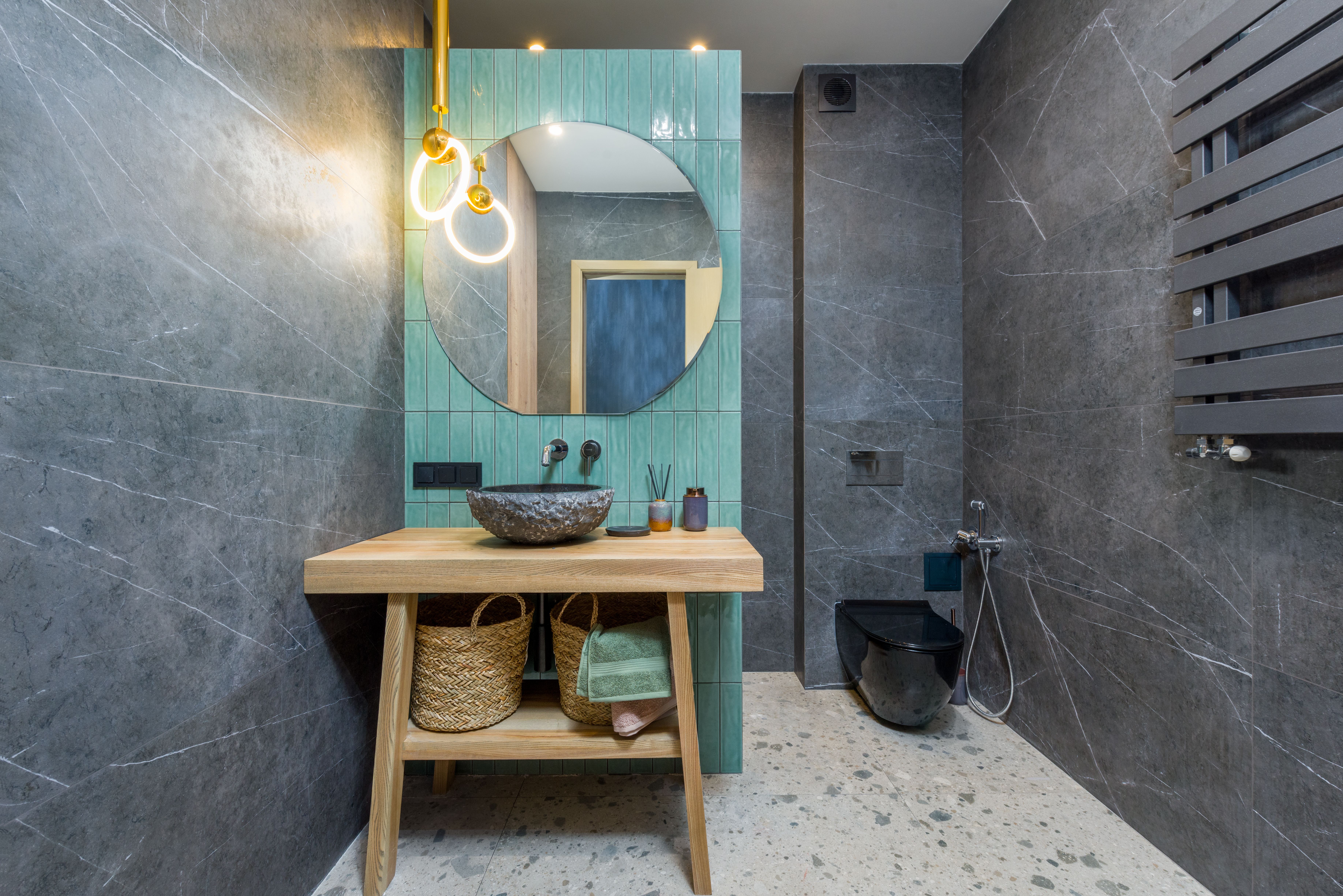
Let's be conservative. If a UK household reduces toilet paper use by 50% rather than the full 75%, they save roughly 7,000 litres annually. Add the flush water savings—using the reduced flush option more often because the spray handles the cleaning—and you're looking at another 2,000–3,000 litres saved per year. Industry sources describe bidets as generally water-efficient in typical use, though this comes from qualitative commentary rather than controlled studies.
The broader water context matters too. While the UK isn't water-scarce overall, regional pressures—particularly in South East England—mean every litre counts. Access to clean water is also a significant global equity issue, which frames water conservation as a broader priority worth caring about, not just a local convenience.
The financial case is equally compelling. A handheld sprayer costing between £40 and £80 can pay for itself in toilet paper savings within roughly 6–12 months, depending on household size. The water savings are an added environmental bonus, requiring no expensive plumbing work.
Addressing the Skeptics: Does the Bidet's Own Water Use Cancel the Savings?
The most common objection is straightforward: "A bidet uses water, so it can't save water." The numbers tell a different story. A roughly 1-litre spray use is still less than the 4–6 litres saved by not flushing as often, and far less than the 140 litres embedded in a single roll of paper. The spray's water use is a small factor in the overall equation.
There's also an energy and carbon angle. UK mains water carries an energy cost for pumping and treatment, but the energy saved from not manufacturing toilet paper—an energy-intensive process involving pulping and drying—tends to more than offset this, consistent with lifecycle thinking generally: the total resource footprint of paper production tends to exceed the footprint of direct water use.
Edge cases exist, of course. If you have a low-flow toilet (4-litre flush) and use a bidet for a full 2 minutes (roughly 2–3 litres), the savings shrink. But they don't disappear—the paper reduction still dominates the water equation, and you're still likely using less water overall than with paper alone.
How to Maximise Your Water Savings with a Handheld Sprayer
Getting the most from your bidet spray comes down to technique and setup. Position the spray head at a 45-degree angle to your body, starting with low pressure and increasing only as needed. This reduces cleaning time and water use simultaneously. Most users find that 20–30 seconds of spray time is sufficient for thorough cleaning, which keeps water consumption well under 1 litre per use.
For drying, keep a small stack of reusable cloths or a dedicated towel rather than reaching for toilet paper. This reduces the remaining paper use and the associated embedded water footprint considerably.
Regular maintenance also matters. A sprayer with a worn washer or loose connection can drip continuously, wasting far more water than active use ever would. Check the O-rings and connections every few months, and replace the sprayer if you notice any leakage. A well-maintained unit will serve you for years without meaningful water waste.
The Verdict: What the Numbers Mean for Your UK Household
The headline figures are clear: a bidet spray uses well under 2 litres per use, can reduce toilet paper use substantially, and reduces both direct flush water and embedded manufacturing water. The net saving can run to thousands of litres per year per person, with the paper reduction providing the largest share of the benefit.
For UK homeowners and renters, a handheld sprayer is generally the most water-efficient and cost-effective option compared to standalone bidets, which require more water and significant plumbing changes. The retrofit installation is simple, works with existing UK plumbing, and requires no special tools or professional help.
Start with a simple trial: track your toilet paper usage for a month, install a sprayer, and measure the difference. The data will speak for itself.