Bidet Attachment vs Bidet Seat vs Shower Toilet: Which Is Best for You? UK
Updated August 2026 · 12 min read
- Bidet attachments are the cheapest, least invasive option and suit renters or anyone on a tight budget
- Bidet seats offer a strong balance of features and comfort for most UK homeowners without replacing the toilet
- Shower toilets deliver the most integrated experience but require significant space, plumbing work, and a much larger budget
Meet the Three Contenders: How Bidet Attachments, Bidet Seats, and Shower Toilets Differ
Before spending anything, it helps to understand what's actually being bought. The three options on the market are fundamentally different products, not just variations of the same idea.
A bidet attachment is a retrofit unit that fits between the existing toilet seat and the bowl. It connects to the water supply via the cistern inlet and adds a wash nozzle without replacing anything else. The current toilet seat stays put, and the job typically takes well under an hour with basic tools.
A bidet seat replaces the entire toilet seat with a powered unit. It looks like a standard seat from the outside, but contains a retractable nozzle, temperature controls, and often a heated seat and air dryer. It mounts onto the existing toilet bowl but needs a nearby power socket to operate.
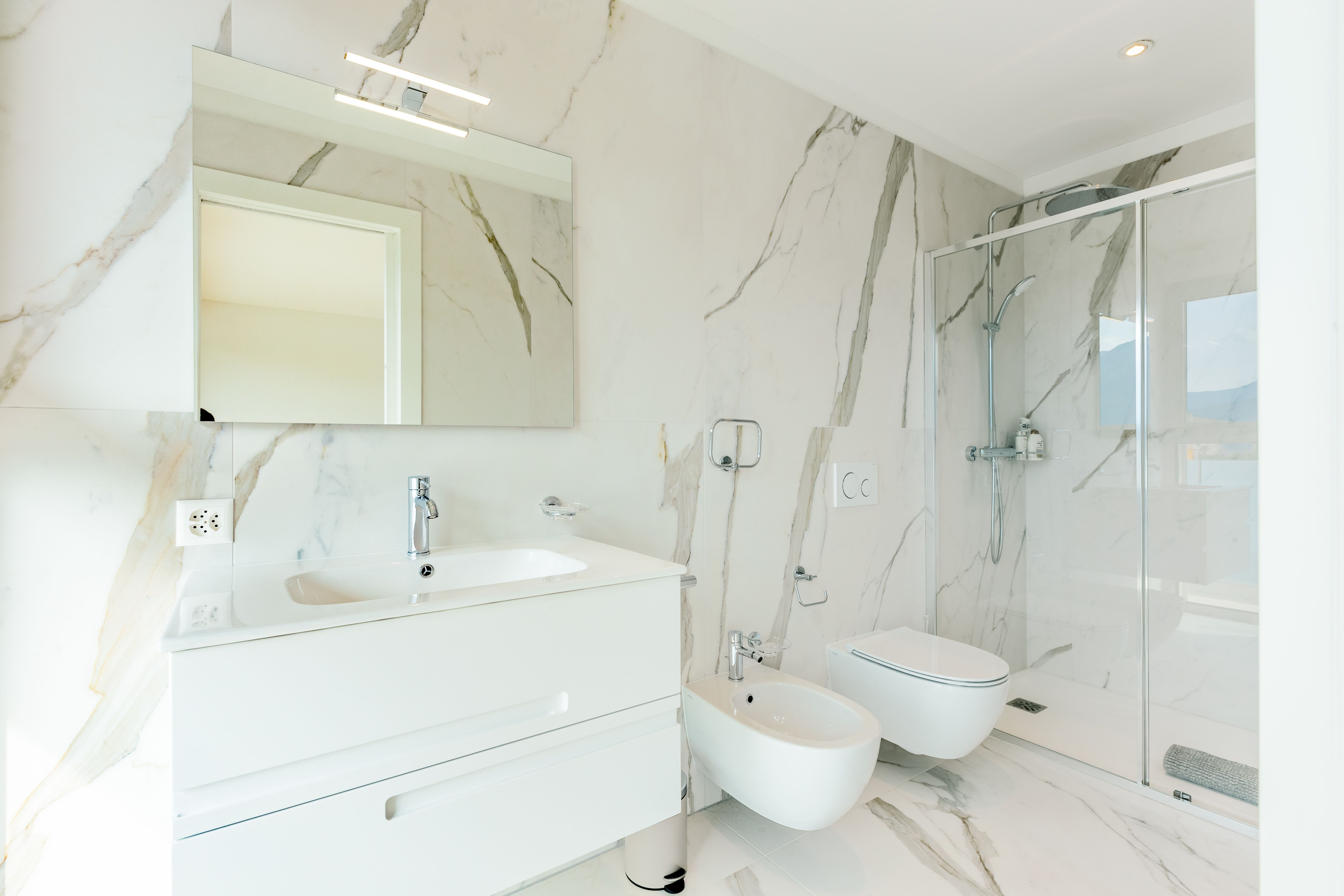
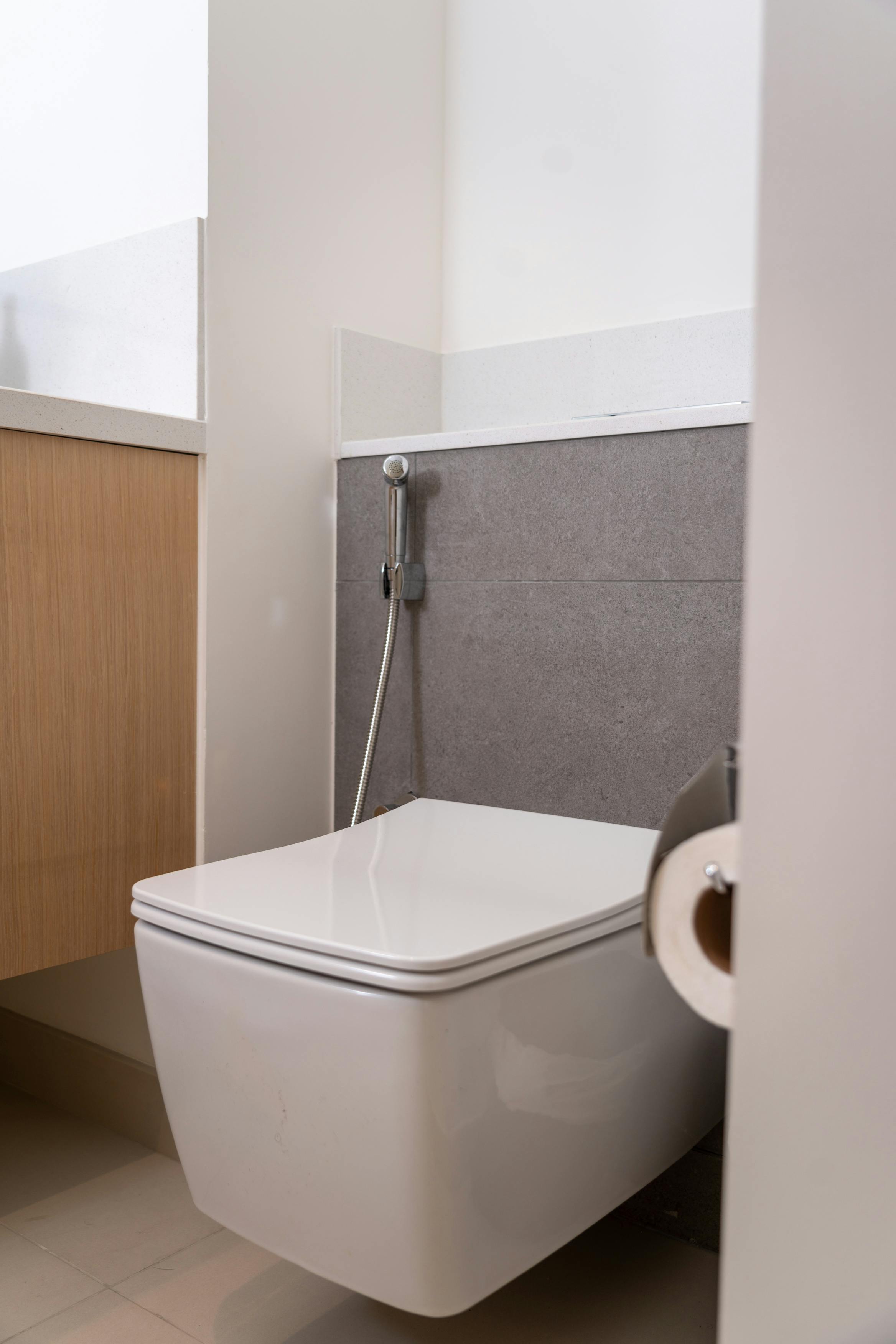
A shower toilet — sometimes called a bidet toilet — is a complete toilet unit with washing functions integrated into the ceramic. There's no separate seat to retrofit; the entire fixture is designed around the washing system, making it a full bathroom renovation piece rather than an accessory.
The installation footprint varies accordingly. Attachments work with whatever toilet is already in place. Bidet seats also fit an existing toilet but require electrical access. Shower toilets replace the whole ceramic unit and generally need a plumber to install.
Upfront Cost vs Long-Term Value: What Each Bidet Option Really Costs in the UK
The price gap between these three options is substantial.
Bidet attachments are generally the cheapest tier — a valve, a nozzle, and some piping, with no electrics and no specialist tools needed. For most UK households, this is a same-day purchase that can pay for itself within months.
Bidet seats sit in a noticeably higher price band, covering the heated seat, warm water controls, and integrated convenience. Most are straightforward to fit, but without a socket near the toilet, an electrician will be needed — worth budgeting for.
Shower toilets are the most expensive tier by a wide margin, and that's before installation. A certified plumber will need to disconnect the existing toilet, fit the new unit, and ensure the water supply and waste connections are correct, which adds meaningfully to the total cost.
On value: reviewers who have tested bidets over the years generally describe them as a worthwhile investment despite the upfront cost. Running costs matter too — attachments and seats use the existing water supply and may draw a little electricity for heated features, while shower toilets are more energy-intensive but often more water-efficient. Weighed against years of reduced toilet paper spend and better hygiene, the maths often shifts in the bidet's favour.
Cleaning Power and Hygiene: How Each Option Handles the Job That Matters Most
The core function — cleaning — is where these products diverge most sharply.
Bidet attachments offer a simple spray, manually controlled, with a fixed or minimally adjustable nozzle position. For basic cleaning it works well, though it relies on the user's own positioning and existing water pressure. There's no temperature control unless a dual-valve model mixing hot and cold has been fitted.
Bidet seats step things up: adjustable warm water sprays, often with oscillating or pulsating modes that cover more area, consistent water temperature, and many models with self-cleaning nozzles.
Shower toilets integrate front and rear wash functions with precision positioning, so the nozzle aligns without the user needing to adjust position. Many also include pre-mist and rim cleaning functions that keep the bowl fresher between flushes.
Research on bidet-toilets generally supports the view that water cleans more effectively than paper alone [1]. That's the core selling point for shower toilets and high-end seats, though even a basic attachment offers a meaningful upgrade over paper alone.
Comfort and Accessibility: Which Bidet Option Suits Different Users and Bathroom Layouts
Comfort isn't only about the spray — it's about how the unit fits the user and the bathroom.
If replacing a toilet anyway, a shower toilet generally offers the most generous seating area, though some bidet seats are roomier than others. If keeping the existing toilet, it's worth checking seat shape and weight capacity before buying, since not all models fit all bowls.
Accessibility is a major consideration for elderly or disabled users. Shower toilets and some bidet seats offer remote controls, preset positions, and raised seat heights that can make things considerably easier for anyone with limited mobility. Attachments require manually reaching to operate the valve, which can be difficult for some users. Research on adaptive and assistive toilet design has looked at similar accessibility needs in institutional and semi-public settings, which is a useful reference point even though home use has its own context [2].
Bathroom layout will dictate the options available. Attachments work in any toilet. Bidet seats need a power outlet nearby, and installing one adds cost and disruption if there isn't one already. Shower toilets need more space and a dedicated water supply, so it's worth measuring the bathroom before committing.
Installation, Maintenance, and Durability: What to Expect When You Own Each Type
Installation difficulty ranges from straightforward DIY to professional-only.
Attachments are DIY-friendly — an adjustable spanner and a short amount of time is generally enough. The unit connects to the water supply via a T-valve with 15mm BSP plumbing threads, and the existing toilet seat mounts back on top. No special skills required.
Bidet seats are a bit more involved because of the electrical connection. The mechanical fitting is similar to an attachment, but a socket within reach of the unit's power cable is needed — an electrician's job if one isn't already there.
Shower toilets require professional plumbing and electrical work, often with a certified installer, and are not a quick weekend project — potentially a full day of work or more if the bathroom needs modifications.
Maintenance follows a similar pattern. Attachments have simple valves and nozzles that may need occasional descaling, a real consideration in hard-water areas. Bidet seats have filters and moving parts that need periodic cleaning. Shower toilets have more complex internals but often include self-cleaning functions that reduce the maintenance burden.
Durability varies by build quality and water hardness across all three categories — it's worth checking warranty terms and reviews for a specific model rather than assuming a fixed lifespan by category alone.
If you live in a hard water area, fit an inline water filter before your bidet attachment or seat — it helps prevent limescale from clogging the nozzle and can extend the unit's working life.
Feature Comparison Table: Bidet Attachment vs Bidet Seat vs Shower Toilet at a Glance
| Feature | Bidet Attachment | Bidet Seat | Shower Toilet |
|---|---|---|---|
| Relative Price | Lowest | Mid | Highest |
| Installation Effort | DIY, quick | DIY + electrician if no socket | Professional plumber required |
| Water Temperature | Cold only (or mixed with dual valve) | Warm, adjustable | Warm, precise control |
| Heated Seat | No | Yes | Yes |
| Air Dryer | No | Yes (on most models) | Yes |
| Remote Control | No — manual valve | Yes (side panel or remote) | Yes |
| Self-Cleaning Nozzle | No | Yes | Yes |
| Space Required | None — fits existing toilet | None — fits existing toilet | Full toilet replacement |
| Best For | Renters, tight budgets, first-timers | Homeowners wanting comfort without replacing toilet | Renovations, premium experience |
The trade-offs are fairly clear. Attachments are the budget-friendly entry point — a sensible place to start when new to bidets and unsure about investing in a full-featured model. Seats offer a strong balance of features and price. Shower toilets are the premium all-in-one option.
One UK-specific note: it's worth checking water pressure before buying. Most UK homes have adequate pressure for any of these units, but on a gravity-fed system in an older property, a shower toilet's integrated pump may struggle. For shower toilet installation, a registered plumber will be needed — this affects both total cost and timeline.
Renting vs Owning: The Best Bidet Choice for UK Tenants and Homeowners
Housing situation should weigh heavily on this decision.
For renters, bidet attachments are generally the better fit. They're non-permanent, can typically be removed without leaving marks, and don't require electrical work — installable in a rented flat without altering the landlord's fixtures, and removable when moving out.
For homeowners, the calculation changes. Bidet seats and shower toilets add longer-term value and comfort, and higher-end features become a reasonable investment when there's years to benefit from them. A shower toilet can even be a selling point when renovating ahead of a future sale.
Before installing anything, it's worth checking the tenancy agreement. Attachments are generally lower-risk since they don't permanently alter the toilet or plumbing, but bidet seats and shower toilets may need landlord permission, especially where electrical work or fixture replacement is involved.
Environmental Impact: How Each Bidet Option Affects Your Water and Paper Usage
The environmental case for bidets generally, but the three options differ somewhat in footprint.
Bidet attachments use the existing water supply with no additional heating energy (unless a dual-valve model is fitted). They reduce toilet paper consumption, which means less energy used in paper manufacturing and transport. The trade-off is that cold water sprays can be bracing in winter, which might tempt some users toward more paper for drying.
Bidet seats use warm water, which draws electricity, though many include air dryers that remove the need for paper entirely. Over time, the energy cost of heating water is often offset by savings in paper production, packaging, and shipping.
Water usage per wash is generally modest compared with the water required to produce a roll of toilet paper. For UK households looking to reduce their environmental footprint, any of these three options is a step in that direction.
The Verdict: Which Bidet Option Should You Choose Based on Your Budget, Space, and Lifestyle?
On a tight budget or renting, a bidet attachment is a sensible starting point — inexpensive, quick to install, and delivering most of the hygiene benefit at a fraction of the cost of the other options.
Wanting comfort and features without replacing the toilet points toward a bidet seat. A mid-range model offers a strong balance of price, features, and comfort for most UK homeowners — a heated seat is a genuine winter comfort, and warm water is a real upgrade over a cold attachment.
Renovating and wanting the most integrated experience points toward a shower toilet — the most comfortable and hygienic option available, but also the most expensive and most disruptive to install, which makes most sense alongside a wider bathroom renovation.
For most of the UK market, a mid-range bidet seat tends to offer the best overall balance: the features that matter most (warm water, heated seat, self-cleaning nozzle) without the cost and disruption of a full toilet replacement. An attachment remains a reasonable, low-risk way to try the idea first for anyone still unsure.