Bathroom Upgrades UK Homeowners Are Talking About: Trends, Costs & Regrets
By James Hargreaves · Updated July 2026 · 5 min read
- A full bathroom renovation in the UK typically costs between £4,500 and £12,000, with London commanding a significant premium over other regions
- Removing a bath to install a walk-in shower can reduce property value, making it one of the most regretted decisions among UK homeowners
- Building regulations cover bathroom electrics, ventilation and water fittings — cutting corners here can cause problems with insurance claims and conveyancing later
A full bathroom renovation in the UK typically runs between £4,500 and £12,000, but where you live dramatically shifts that figure. London homeowners pay markedly more than those in the North West, primarily due to labour rates and supply-chain mark-ups. Every experienced renovator also insists on a 20-30% contingency fund, because once you pull up floorboards you often find rotten joists or outdated pipework that needs replacing. With that much money at stake, the choices you make now — which trends to follow and which to skip — decide whether you end up with a bathroom you love or an expensive regret.
Ask homeowners who have been through a renovation and the same questions come up again and again: Is a wet room worth it? Should I keep the bath? Which trends date fastest? The honest answers are often the opposite of what the showroom brochure suggests — and knowing them before you commit can save you thousands.
The Top Bathroom Trends UK Homeowners Are Falling For — and Regretting
Rain-style shower heads top the regret list. They look dramatic in showrooms, but in a typical UK home with standard mains pressure they deliver a disappointing drizzle. They also collect limescale in hard-water areas, leaving homeowners wishing they'd stuck with a standard thermostatic head.
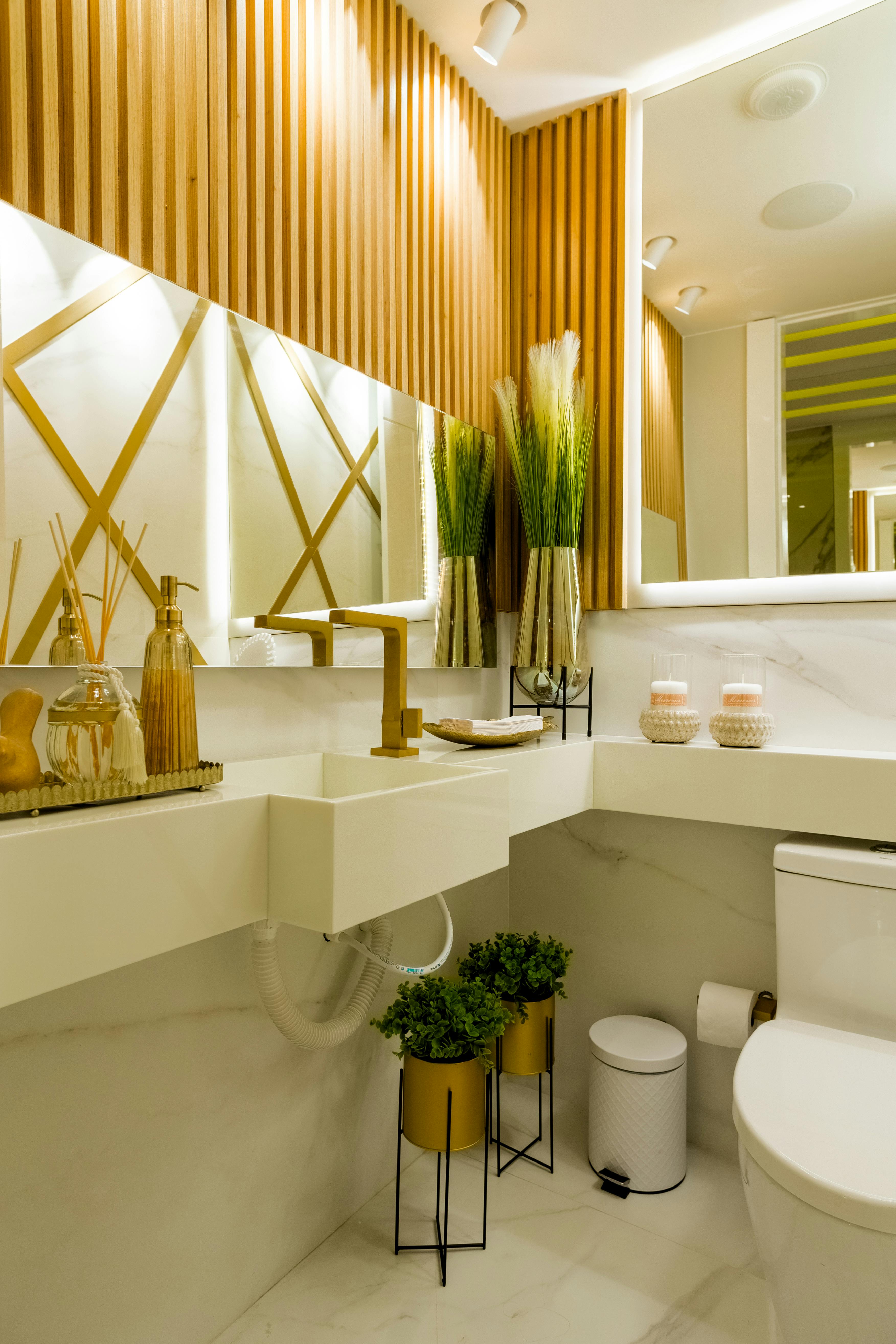
Wall-mounted taps are the second trap. They appear sleek and minimalist until you realise they splash water everywhere, require chasing pipes into the wall (adding substantially to labour costs), and cost a fortune to repair when the cartridge fails behind the tiling.
Statement tiles — large-format or heavily patterned — look fantastic in the brochure but tend to date within three to five years. Homeowners who chose bold geometric designs often tire of them quickly, and replacing them means a full retiling job that can cost more than the original installation.
Removing the bath is the costliest mistake of all. A walk-in shower may suit your lifestyle today, but homeowners consistently report this as their biggest regret when it comes time to sell. Families with young children and buyers who want a soaking tub will simply cross your property off their list — which is why keeping at least one bath in the home is the safest choice for resale.
Understanding Building Regulations for Bathrooms
Three areas of the building regulations matter most for a bathroom project. Electrics: moving sockets, adding lighting over mirrors or installing electric underfloor heating in a bathroom counts as notifiable work, and it must be carried out or certified by a qualified electrician. Missing certificates can hold up conveyancing when you sell and may affect insurance claims if something goes wrong. Ventilation: a bathroom with a bath or shower needs an extractor fan capable of at least 15 litres per second; in a windowless bathroom, fit a fan with an overrun timer so it keeps clearing moisture after you leave. Poor ventilation is the fastest route to mould damage. Water efficiency: new-build homes must meet whole-house water consumption targets — as low as 110 litres per person per day where planners require it, which pushes builders towards showers of around 8 litres per minute. Renovations of existing homes aren't held to those flow-rate targets, but choosing efficient fittings still cuts both your water and heating bills.
Always check your local water authority's byelaws before buying any bathroom fittings. WRAS-approved products are certified to comply with UK water regulations and help you avoid complications during property sales.
Costly Regrets: What Homeowners Wish They'd Known
Beyond the headline trends, three comparisons come up repeatedly in post-renovation reviews. Digital versus mechanical showers: homeowners regularly complain about digital shower electronics failing within a few years, while a mechanical thermostatic valve lasts decades with basic maintenance. Wet room versus walk-in shower: a wet room costs substantially more to waterproof properly, and leaks from poorly installed tanking can cause structural damage that costs thousands to put right — a quality walk-in enclosure delivers most of the look for far less risk. Underfloor heating versus heated towel rails: rails are cheaper but only warm towels, not the room. For the best return, install both — use the rail for drying and the floor heating for comfort.
Planning Your Bathroom Upgrade: Practical Steps
List your non-negotiables first — for most UK homeowners, that means keeping a bath for resale value. Then rank everything else by daily-use priority: the toilet and shower get used multiple times a day, while decorative tiles only get looked at. Order fixtures early, because lead times on UK bathroom fittings currently run 4-8 weeks and nothing stalls a renovation faster than a back-ordered basin. Always buy one extra box of tiles — manufacturers discontinue ranges without warning, and matching replacements later is virtually impossible. And if the full budget isn't there yet, phase the work: sort the plumbing and essential fixtures first, retile in year two, then upgrade lighting and ventilation in year three. This spreads the cost and lets you live with the space before committing to expensive finishes.
A Low-Cost Upgrade That Delivers Real Results
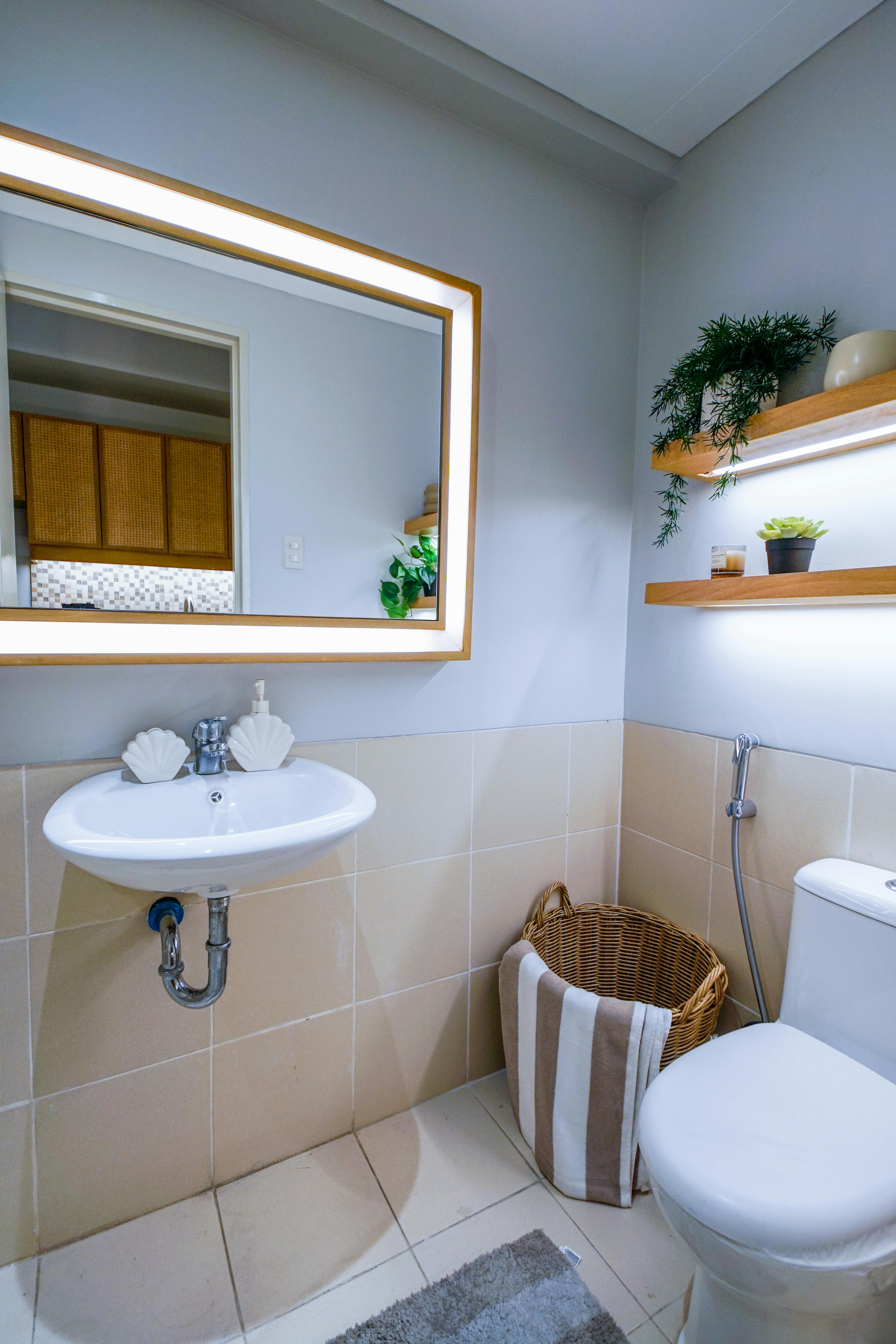
Not every worthwhile upgrade needs a five-figure budget. A handheld bidet spray is a low-cost, high-impact addition that improves everyday hygiene without the expense of a full renovation. There's no electrician required, no chasing pipes into walls, and no building-regulations sign-off needed — it connects to the existing toilet supply. In hard-water areas it also helps keep the toilet bowl cleaner by allowing targeted rinsing after each use, all without installing a separate bidet fixture.
Common Concerns
Will a bathroom renovation add enough value to justify the cost?
In most UK regions, a well-executed bathroom upgrade recovers around 60-70% of its cost at resale, but only if you avoid overly personalised choices. Focus on neutral finishes, quality fixtures and proper ventilation to maximise your return.
Can I do any work myself to save money without breaking regulations?
You can safely handle demolition, painting and tiling yourself. Electrical work, plumbing alterations and structural changes, however, must comply with building regulations, and DIY mistakes in these areas can invalidate insurance cover and cause expensive failures. Hire certified professionals for water-supply connections and any work involving electrical circuits.
Final Advice: Spend Where It Counts
If you take one thing from this guide, make it this: put your money into the unglamorous essentials — proper ventilation, quality mechanical fixtures, and a bath you keep. Those three protect your property value, prevent moisture damage and keep future buyers interested. Go easy on the showpieces: rain heads, wall-mounted taps and statement tiles look impressive in photographs but create ongoing maintenance headaches and date quickly. Spend your budget where it counts. And whatever you do, keep that bath — your future buyers will thank you.