Does Toilet Paper Leave Bacteria on Your Hands? What UK Research Suggests
This article is for informational purposes only and does not constitute medical advice. Consult a qualified healthcare professional before making any health-related decisions.
- A UK student study presented at the Royal Society found measurable bacterial transfer from gut to hands after standard toilet paper wiping.
- Dry wiping smears rather than removes bacteria — creating a thin biofilm of faecal residue that can then transfer to taps, door handles, and phones.
- Water-based cleaning disrupts bacterial adhesion more effectively than paper; combining it with 20-second handwashing significantly reduces transfer risk.
- WRAS-compliant handheld bidet sprayers (£35–£55) connect to the existing toilet supply and require no specialist installation.
The Hidden Reality of Dry Wiping and Bacterial Transfer
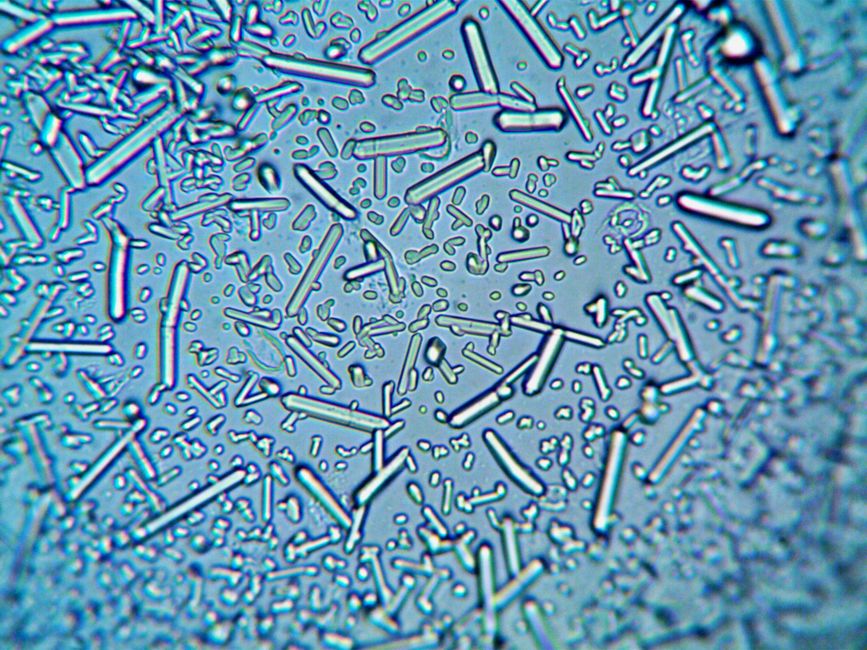
Standard dry wiping does not remove bacteria cleanly — it tends to smear faecal matter across the perianal skin, leaving a thin biofilm that persists after the paper is discarded. A student research project presented at the Royal Society investigated how easily gut bacteria transfers to hands after routine toilet use. The researchers — all aged 17 — spent a year developing a methodology to measure contamination levels on fingers immediately after wiping, then tracked how bacteria spread to surrounding surfaces. Their findings: standard wiping left measurable bacteria on fingers, which subsequently transferred to taps, door handles, and mobile phones. The study challenges the assumption that toilet paper is "clean enough" as a hygiene method.
From fingers, bacteria can reach mucous membranes — the mouth, nose, or eyes — completing a contamination cycle that begins with a routine bathroom visit. This is why thorough handwashing after every toilet visit remains essential regardless of cleaning method used.
The Physics of Friction: Micro-Abrasions and Skin Health
Dry toilet paper creates friction against the skin, which can cause micro-abrasions — tiny, invisible breaks in the epidermis. These micro-tears provide a potential route for bacteria to bypass the skin's natural barrier. Incomplete removal leaves residue of faecal bacteria, including E. coli and faecal streptococci, on the skin surface. The risk here lies specifically in the wiping action itself, which introduces repeated direct contact with faecal material — not, as is commonly assumed, from sitting on the toilet seat, which research consistently shows poses minimal transfer risk for most people.
Always spray front-to-back when using a handheld bidet to reduce the risk of transferring bacteria from the anal area toward the urethra — particularly important for female users. Follow water cleaning with 20 seconds of soap handwashing: no single method eliminates all bacterial transfer on its own, but the combination markedly reduces it.
How Water Washing Reduces Bacterial Transfer
Water pressure physically dislodges bacteria from the skin surface and from the irregular contours of skin folds that paper cannot reach effectively. Unlike paper, which redistributes material across the surface, water creates a flushing action that lifts and washes away microscopic particles. A gentle pat dry with a small cloth or a few squares of paper completes the process without the friction of repeated dry wiping. This is not a claim that water use is completely sterile — it is not — but the qualitative evidence from hygiene research, including the student study, supports the principle that water disrupts bacterial adhesion more effectively than paper alone.
| Factor | Toilet Paper | Handheld Bidet Spray |
|---|---|---|
| Bacterial transfer | Smears and leaves biofilm on skin | Dislodges and flushes away residue |
| Ongoing cost | £12–£18 per 24-pack, recurring | One-off £35–£55 plus negligible water |
| Skin friction | Repeated friction, micro-tears possible | Gentle; no abrasive contact |

Practical Steps: Combining Water Cleaning with Proper Handwashing
The most effective approach is to wash rather than wipe, then follow with thorough handwashing. Install a handheld bidet sprayer on the existing toilet supply line — no electrician is required, and most UK toilets have a standard flexible hose connection behind the cistern that a T-connector slots onto in around 15 minutes. A standard WRAS-compliant unit costs between £35 and £55. Use the spray for initial cleaning, then pat dry. Wash hands with soap for a full 20 seconds after every bathroom visit. The student study confirms that no single method eliminates all risk — water cleaning plus proper handwashing together deliver a meaningful reduction in bacterial transfer.
Economic and Practical Advantages for UK Bathrooms
A 24-pack of mid-range UK toilet paper costs £12–£18 and lasts a few weeks for a typical household. A bidet sprayer is a one-off purchase with negligible ongoing water cost. For UK adults with sensitive skin or conditions such as haemorrhoids, the gentler action of water also reduces irritation and micro-tears compared to repeated dry wiping. Handheld bidet sprays must comply with the Water Supply (Water Fittings) Regulations 1999, which require a double-check valve or equivalent backflow prevention device — reputable kits include this as standard. Most UK homes have a compact toilet space where a traditional standalone bidet would not fit; a handheld sprayer requires no additional floor space and mounts neatly on the wall or cistern rim.
The Practical Takeaway
Toilet paper transfers bacteria from the gut to the skin and hands — this is what the Royal Society student study demonstrated in a UK context. A handheld bidet spray reduces this transfer by dislodging residue more effectively than paper alone. No method is completely sterile, but for health-conscious UK households, switching to water-based cleaning combined with proper handwashing is a low-cost, evidence-informed upgrade to daily hygiene.