By James Hargreaves · Updated June 2026 · 8 min read

- Water UK reports that wet wipes account for around 93% of material found in UK sewer blockages.
- A handheld bidet spray uses only water and creates no solid waste that can clog UK pipework.
- Installation is a DIY job in under 30 minutes using a WRAS-approved T-valve on the standard BSP cold-water connection behind the toilet.
- Over time, switching from wipes to a bidet spray reduces both household consumable spend and the risk of plumber call-outs.
How a Bidet Spray Compares to Wet Wipes for Daily Cleaning
A handheld bidet spray is a trigger-operated nozzle connected to the cold-water supply behind your toilet. You direct the water where needed and rinse, with no physical rubbing involved. Wet wipes are pre-moistened single-use cloths that rely on friction and added chemicals to clean.
The headline difference for UK households is what each leaves behind. A bidet spray produces nothing — just water down the existing waste pipe. Wet wipes, even ones once labelled "flushable," contain synthetic fibres that resist breakdown in the sewer system. Current Water UK guidance, under the "Bin the Wipe" campaign, is straightforward: no wipe should be flushed, regardless of any labelling — only pee, poo, and paper belong in the toilet.
Why Wet Wipes Are a Plumbing Hazard in UK Homes
Wipes that get flushed don't disintegrate. They snag on internal pipe joints, gather with cooking fats, and form the fatbergs that water companies regularly remove from UK sewers at significant public cost — Water UK has reported that wet wipes account for around 93% of material found in sewer blockages nationally. For your own property, the more immediate risk is a blocked soil pipe — and a Saturday-night call-out from a plumber that easily exceeds the price of a full bidet spray kit.
It's worth knowing that the water industry's "Fine to Flush" labelling scheme, which previously certified a small number of wipe products as genuinely flushable, was discontinued in March 2024 after concerns that the label confused consumers into flushing wipes more readily overall. The current official guidance is simpler: no wipe of any kind, "flushable" or not, should go down the toilet. A bidet spray sidesteps this question entirely, since there's no wipe to dispose of either way.
Older UK properties are more exposed. Victorian and inter-war terraced housing often has narrower cast iron or vitrified clay pipework, with shared drainage runs serving multiple homes. A few flushed wipes in this kind of system can create a blockage that affects neighbours as well as you. A bidet spray removes the wipe from the equation entirely — only water passes down the line.
Five-Year Cost Comparison: Bidet Spray vs Wet Wipes
A bidet spray has a one-off purchase cost and a running cost of roughly half a litre of water per use, which adds a negligible amount to a metered water bill. Wet wipes, by contrast, are a permanent line item on the weekly shop. The exact spend depends on brand and household size, but a family using a daily pack of wipes will spend considerably more on disposables than the price of a quality bidet kit, year after year.
The hidden cost is the one most people don't budget for: a single emergency plumber visit to clear a wipe-related blockage. Avoiding even one of those over five years tips the maths firmly toward the bidet spray.
Skin Comfort: Water-Based Cleaning vs Chemical Wipes
Most wet wipes contain preservatives, fragrances, and surfactants. People with sensitive skin sometimes find these ingredients uncomfortable over time, and dermatologists have noted contact dermatitis reactions to specific wipe preservatives in the past — most notably methylisothiazolinone, which several major brands have since reformulated to reduce or remove.
A bidet spray uses plain mains water with no added ingredients, and applies no friction. For anyone with sensitive skin, that's a simpler proposition. If you have a specific skin or health concern, your GP is the right person to ask about whether switching is appropriate for you.
Environmental Impact in the UK
Wet wipes contribute to a documented problem in UK waterways. The Marine Conservation Society's annual Great British Beach Clean regularly reports wipes among the items picked up on UK beaches, and water companies attribute the large majority of fatberg material to non-flushable wipes. The UK government has consulted on banning wipes containing plastic, which is the same problem from a different angle.
A bidet spray uses a modest amount of cold mains water per use and produces no packaging or single-use waste. Toilet paper consumption also typically falls when households switch, which reduces the household paper footprint further.
Installation: What UK Homeowners Need to Know
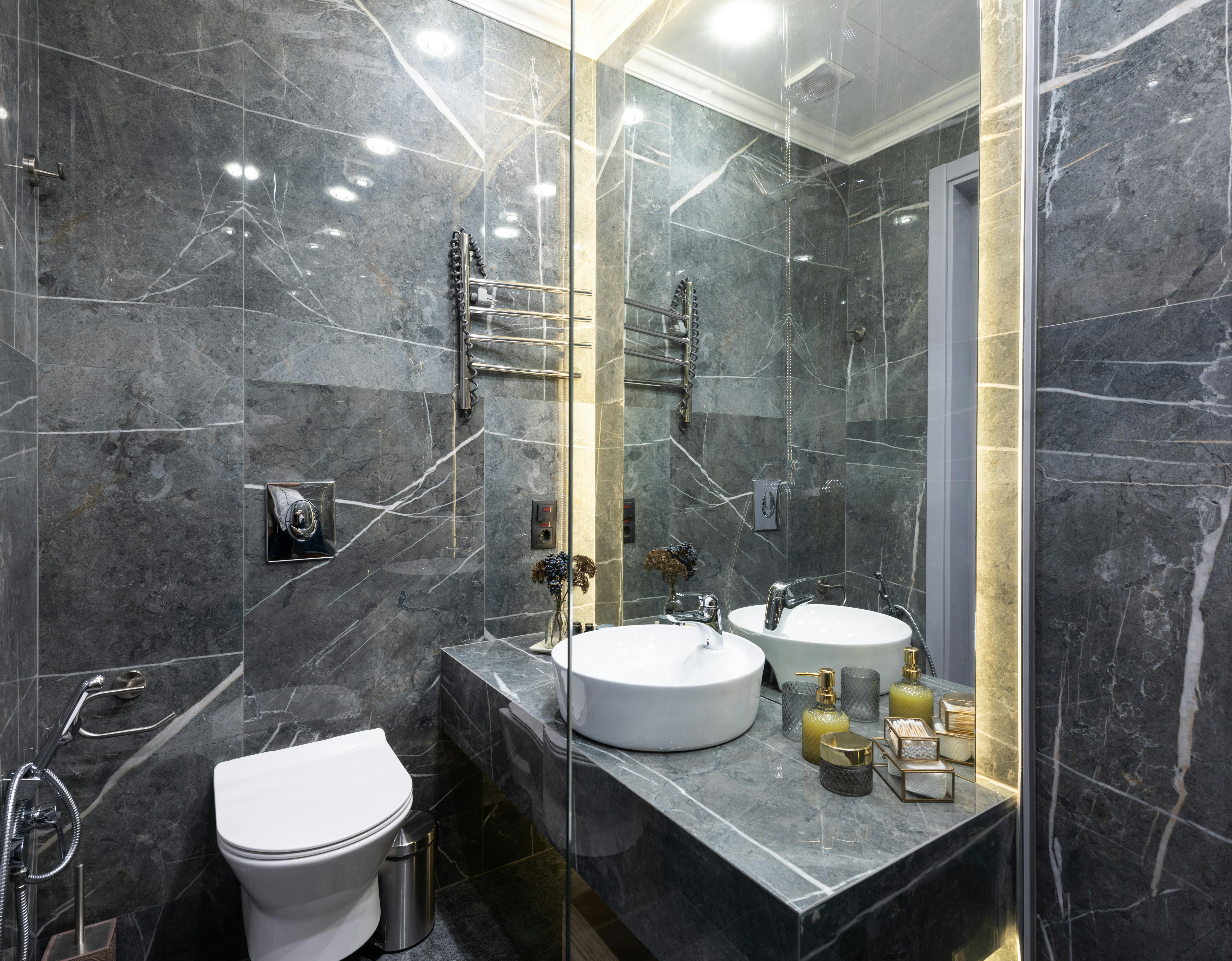
A handheld bidet spray fits onto the existing cold-water supply behind the toilet using a T-valve. UK toilet cisterns use a standard 15mm BSP (British Standard Pipe) thread, and most quality kits include a WRAS-approved T-valve compatible with this connection. A wrap of PTFE tape on the threads is enough to seal the joint properly.
The job typically takes under half an hour with basic tools: an adjustable spanner, PTFE tape, and a towel for any drips. No electrician is needed, no hot-water connection is required, and the existing cistern fill remains untouched. If you'd rather not do it yourself, any local plumber can fit one in minutes for a modest fee.
Common Concerns Answered
"Won't the cold mains water be unpleasant, especially in winter?"
Mains cold water in the UK sits at around 10–15°C depending on season, which is cooler than body temperature but not shocking on brief contact. Most people adjust within the first few uses. If you'd prefer warm water from day one, there are dedicated warm-water bidet spray kits on the market with built-in temperature control or a dual hot/cold inlet, so the choice is really a matter of preference and budget rather than a hard limitation.
"Will it spray water everywhere and make a mess?"
A handheld spray gives you direct control — you set the angle and squeeze the trigger only as much as you need. The stream is narrow and targeted, not a wide jet. A small pat-down with toilet paper or a dedicated hand towel afterwards is enough. In practice the spread is minimal, comparable to the splash from a normal flush.
"Can I really install it myself without damaging the toilet?"
The T-valve fits between the cistern's existing inlet hose and the isolation valve on the wall. You shut off the water at the isolation valve first, unscrew the existing connection, insert the T-valve with PTFE tape on the threads, and reconnect. Nothing on the toilet itself is touched. If the joint weeps when you turn the water back on, another quarter-turn with the spanner usually resolves it.
Side-by-Side Comparison Table
| Factor | Bidet Spray | Wet Wipes |
|---|---|---|
| Plumbing safety | Water only — no risk to pipes | Major cause of UK sewer blockages |
| Upfront cost | One-off kit purchase | None |
| Ongoing cost | Negligible — pennies of water | Recurring weekly shop spend |
| Skin contact | Plain water, no friction | Preservatives and fragrance on skin |
| Environmental impact | Low — no packaging or waste | Plastic content and disposal burden |
| Convenience | Always ready, nothing to restock | Needs regular repurchasing |
| Portability | Dedicated travel models available | Easy to carry, but single-use |
Who Benefits Most from Switching
Households in older terraced or flat-converted properties get the biggest plumbing benefit, since their drainage is more vulnerable to wipe-related blockages. Shared bathrooms — house shares, families, holiday lets — benefit from having a single fixed tool that doesn't run out and doesn't accumulate bin waste between users. And anyone trying to cut both their grocery spend and their plastic footprint will see the bidet spray earn its place quickly.
The one situation worth flagging is travel away from a plumbed bathroom. Portable travel bidet sprays — small handheld bottles with a built-in nozzle — solve this neatly and are widely available, so even the travel case has a water-based option that doesn't rely on disposable wipes.
Bidet spray strengths: safe for UK pipework, low ongoing cost, gentler on skin, lower environmental impact, simple DIY install on standard 15mm BSP cold supply with a WRAS-approved T-valve, no restocking, and dedicated warm-water and travel variants are available for users who need them.
Bidet spray trade-offs: upfront kit cost, and a brief dry-off step after each use.
Wet wipes strengths: zero install, portable, familiar.
Wet wipes trade-offs: implicated in the large majority of UK sewer blockages, ongoing weekly cost, plastic content in most brands, potential skin sensitivity to preservatives, constant repurchasing.
Bottom line for UK homes: a handheld bidet spray is the better daily-use option, with portable travel sprays covering the on-the-go use case as well.